June 3, 2026
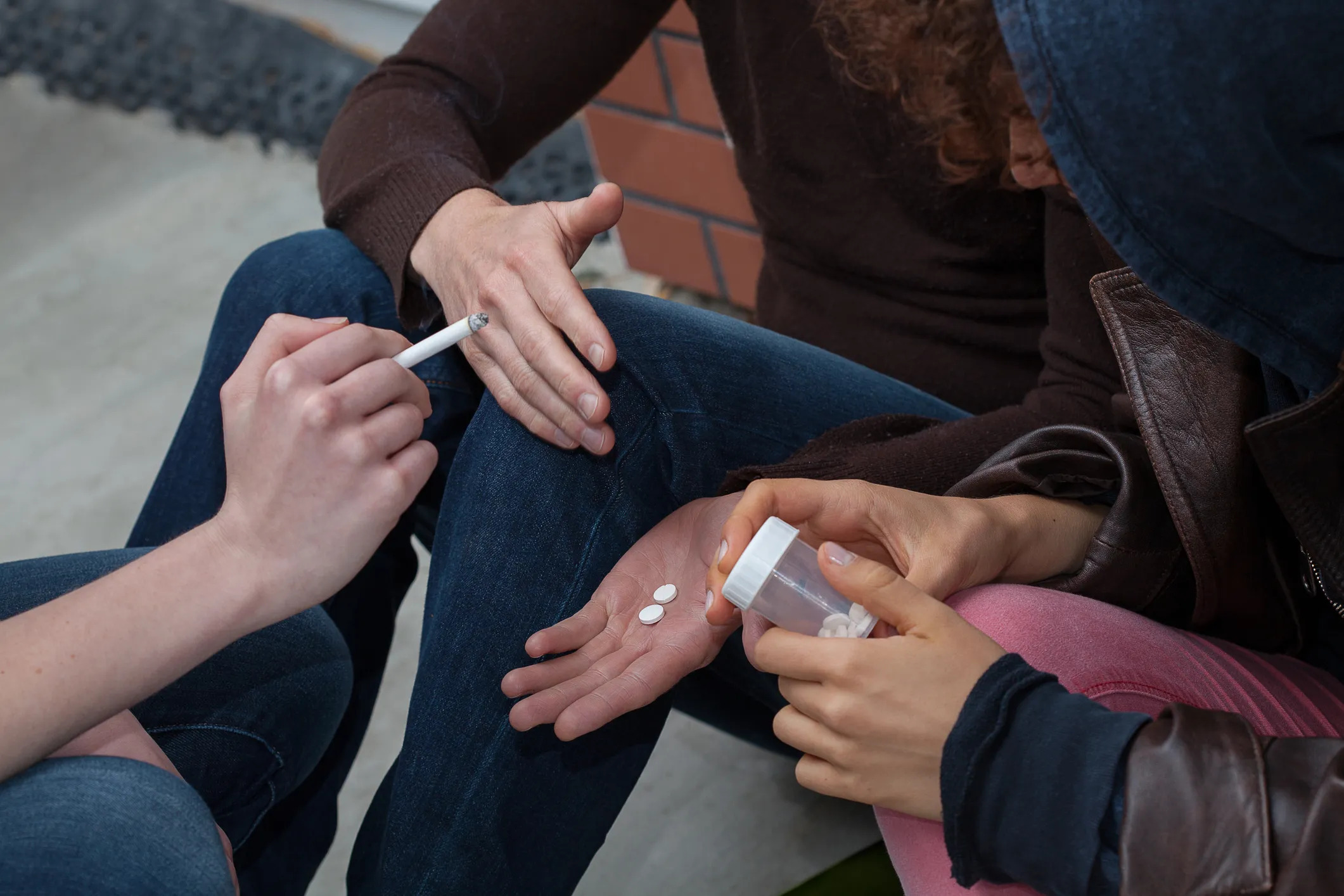
Peer pressure is often imagined as a friend saying, “Just try it once.” In reality, it is usually much quieter than that. Many teenagers don’t start drinking, smoking, vaping, or experimenting with drugs because someone forces them. Instead, they simply follow what appears to be normal within their social circle. When “everyone else” seems to be doing it, saying no becomes harder.
Why Teenagers Are More Vulnerable
Adolescence is a period when the brain is still developing. Young people naturally seek excitement, acceptance, and new experiences. At this age, rewards feel immediate, while risks often seem distant. As a result, a teenager may focus more on fitting in with friends than on potential long-term consequences. A hostel gathering, birthday celebration, study break, or casual party can become the setting where experimentation begins.
The Reality in India
Substance use among adolescents is not just a foreign problem—it is a growing concern across India. Studies have consistently shown that peer influence plays a major role in first-time substance use among school and college students.
While alcohol remains the most socially accepted substance, tobacco products, vaping devices, cannabis, inhalants, and even prescription medicines are increasingly finding their way into youth circles. Health experts are particularly concerned about inhalants, which are often inexpensive, easily available, and used more frequently by children and adolescents than adults.
How Peer Pressure Really Works
Most teenagers are not directly pressured. Instead, they observe their surroundings. They see classmates relaxing with alcohol, friends vaping during breaks, or seniors using substances to cope with stress. Gradually, these behaviors begin to appear normal.
A young person may think:
- “Everyone else is doing it.”
- “It’s only one time.”
- “I can handle it.”
- “Nothing bad will happen.”
These thoughts often become the first step toward experimentation.
Warning Signs Parents Should Not Ignore
Substance use rarely announces itself openly. Instead, it often appears through small behavioral changes.
Changes in Sleep and Energy
- Staying awake very late.
- Difficulty waking up in the morning.
- Extreme weekend sleep patterns.
- Frequent headaches or unexplained stomach problems.
Mood and Personality Changes
- Increased irritability.
- Sudden secrecy.
- Becoming defensive over simple questions.
- Losing interest in long-time friends.
Academic Warning Signs
- Falling grades.
- Missed classes.
- Last-minute assignment submissions.
- Abandoning hobbies and interests.
Money and Digital Clues
- Small UPI transactions at unusual hours.
- New payment apps or digital wallets.
- Deleted chat histories.
- Use of disappearing-message features.
Physical Evidence
- Rolling papers or lighters.
- Burnt foil or empty medicine bottles.
- Excessive room fresheners.
- Repeated late-night walks or unexplained absences.
One sign alone may not indicate substance use. However, several signs appearing together deserve attention.
What Parents Should Do
Reacting with anger often pushes teenagers further away. Instead, start with curiosity and concern.
Ask simple questions such as: “How have you been sleeping lately?” “You seem tired recently. Is everything okay?”These conversations feel less threatening and encourage honest responses.
Avoid long lectures. Focus on specific observations.
Instead of saying: “You’re becoming irresponsible.” Try: “I’ve noticed you’ve missed a few classes and seem exhausted lately.”
Specific observations open the door to discussion.
Small Steps Make a Big Difference
Parents do not need to solve everything at once. Focus on one positive step at a time. Celebrate small improvements, whether it is attending classes regularly, reducing screen time, or being more open about friendships. Young minds learn and grow through encouragement more effectively than through fear.
A Growing Concern Close to Home
Peer pressure and substance use are no longer distant social issues. They affect schools, colleges, neighborhoods, and families across the country. The good news is that early awareness can make a significant difference.
When parents stay observant, communicate openly, and create a safe environment for conversation, they become the strongest line of defense against substance abuse. Sometimes, the most powerful prevention starts with a simple question and a willingness to listen.