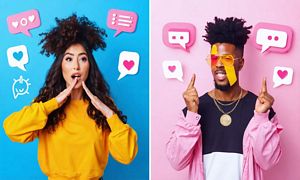
In the digital age, the definition of fame is rapidly evolving. Social media influencers have emerged as powerful voices, often rivaling traditional celebrities in reach and impact. But what exactly sets influencers apart, and how are they influencing the lives of young audiences?
Who Is an Influencer?
An influencer is typically an individual who builds a following on social media platforms by creating content within a specific niche such as fitness, beauty, travel, or gaming. Unlike traditional celebrities, influencers are often seen as relatable individuals who lead everyday lives. Many of them balance content creation with regular jobs, using social media as a creative outlet or an additional source of income. Their followers are usually people with shared interests, making their influence more targeted and personal.
How Influencers Differ from Celebrities
While celebrities gain fame through films, television, sports, or music, influencers achieve recognition through digital platforms. Celebrities often have a broad, mass audience, whereas influencers connect with niche communities. This distinction allows influencers to build closer relationships with their followers, who often view them as trustworthy and authentic. As a result, their recommendations can carry significant weight compared to traditional advertising.
The Rise of Influencer Marketing
Influencer marketing has become a major strategy for brands aiming to reach specific audiences. Companies increasingly collaborate with influencers to promote products, build brand awareness, and drive sales. This shift marks a departure from traditional advertising methods, as brands now rely on relatable voices to engage consumers. The ability of influencers to connect directly with followers has made them valuable partners in modern marketing campaigns.
Why Influencers Appeal to Younger Audiences
Social media plays a central role in the daily lives of teenagers, making influencers a constant presence. Unlike television or film, social platforms provide continuous interaction, allowing influencers to engage with their audience in real time. This consistent exposure strengthens the bond between influencers and their followers, making their content more impactful on attitudes and behaviors.
Psychological Impact on Teenagers
Research indicates that influencers can significantly shape the thoughts and actions of young audiences. Studies suggest that teenagers often adopt beliefs and behaviors promoted by influencers they follow. High engagement with influencer content has also been linked to potential risks such as social media addiction, physical health concerns, and difficulties in social interaction. Many teens feel a personal connection with influencers, which increases the likelihood of imitation.
Different Influences Across Genders
Teenagers are drawn to influencers for various reasons. Girls often follow beauty, fashion, or self-care influencers, seeking inspiration and confidence. While this can encourage self-expression, it may also create pressure to meet unrealistic beauty standards. Boys, on the other hand, may gravitate toward sports, gaming, or lifestyle influencers. While these influencers can motivate ambition, some may promote aggressive or overly competitive behaviors, shaping perceptions of success and masculinity.
Common Challenges in Influencer Culture
Despite differences in content preferences, both male and female audiences face similar challenges. Constant exposure to idealized lifestyles and the pressure to match these standards can affect mental well-being and personal identity.
Building Critical Awareness
Experts emphasize the importance of critical thinking when engaging with influencer content. Viewers are encouraged to question whether influencers are sharing authentic experiences or promoting products and ideas. Understanding the intent behind content can help audiences make informed decisions and avoid being misled.
Knowing When to Step Away
One simple but effective strategy is to unfollow influencers who trigger negative feelings. Social media should be a space that inspires and motivates, not one that causes stress or self-doubt. Taking control of one’s digital environment is a key step toward maintaining mental health.