May 29, 2026
On warm summer nights, few sights feel as magical as watching fireflies flicker across a garden or forest edge. Their tiny glowing lights turn ordinary evenings into something unforgettable. But in many places around the world, these glowing insects are slowly disappearing. Habitat loss, pesticides, and light pollution are making it harder for fireflies to survive and reproduce.
The good news is that even small changes in a garden or outdoor space can help protect them. By understanding how fireflies live and what they need, anyone can create a safe habitat where these remarkable insects can thrive again.
Why Fireflies Need Moist Habitats
Fireflies are found in forests, grassy fields, riverbanks, wetlands, and along creeks and ponds. While different species prefer different environments, almost all fireflies depend on moisture. Damp soil, leaf litter, and shaded vegetation create the perfect conditions for their survival.
Healthy vegetation plays a huge role in trapping and storing water in the soil. Native grasses are especially important because their roots grow deep underground, sometimes several times deeper than the height of the plant itself. These roots stabilize soil, reduce erosion, and keep moisture locked underground.
This moist environment supports firefly larvae, which spend most of their lives hidden beneath the surface. It also supports creatures such as earthworms, slugs, and snails — all important food sources for young fireflies.
Most of a Firefly’s Life Is Spent Underground
People usually notice fireflies only during summer evenings when adults begin flashing. But adult fireflies live for only two to four weeks. Nearly 95% of their lives are spent as larvae living in soil, mud, and leaf litter.
During this stage, which can last one to two years, the larvae feed constantly while growing. They hunt small insects, slugs, snails, and worms hidden in damp soil.
Because larvae spend so much time underground, healthy soil matters far more to fireflies than many people realize. Overly manicured gardens, compacted lawns, and thick artificial mulch layers can make it difficult for larvae to survive.
Why Native Plants
Native plants naturally support local insects and wildlife better than imported ornamental species. They help retain water, improve soil quality, and create layers of shelter that fireflies depend on.
A firefly-friendly garden should look natural rather than perfectly trimmed. Different plant heights, dense grasses, flowering plants, shrubs, and shaded areas create ideal hiding places for adults and larvae alike.
Plants that are especially useful include:
- Native grasses
- Penstemon
- Asters
- Monarda
- Goldenrod
- Cardinal flowers
- Purple leatherflower
- Morning glory
- Dewberry
- Alamo vine
The more plant diversity a habitat has, the more likely it is to support healthy firefly populations.
Leave the Leaves Alone
Many people clear away fallen leaves to keep their yards tidy. But for fireflies, leaf litter is essential.
Leaves trap moisture, protect soil, and provide shelter for larvae and their prey. Firefly eggs are often laid directly into damp soil beneath leaves or rotting wood. Removing every leaf from a yard removes important shelter and feeding grounds.
Instead of aiming for a perfectly clean lawn, allowing some natural leaf buildup can make a huge difference for wildlife.
Rotting Logs and Wood Piles
In natural firefly habitats, fallen branches and decaying logs are common. These slowly rotting pieces of wood create cool, damp hiding places for insects and other small creatures.
Female fireflies often rest near logs during the daytime and lay eggs beneath them after mating. Rotting wood also attracts snails, worms, and slugs that larvae feed on.
Wood piles and moss-covered logs can become surprisingly beautiful additions to a garden while also helping wildlife thrive. They invite birds, beneficial insects, and other small animals into the habitat as well.
Building a Firefly Larvae Shelter
Conservationists have even developed special structures called Firefly Larvae Shelters. These are carefully stacked wooden shelters designed to mimic natural debris piles found near forests and waterways.
They are usually built using logs stacked in a pyramid or cabin-like shape, leaving spaces between the wood for moisture and airflow. The center should contain exposed soil and leaf litter rather than grass or mulch.
These shelters provide safe places where larvae can hide, feed, and grow. They also make excellent educational projects for families and children interested in helping wildlife.
The shelters work best when placed:
- Near rivers, ponds, or creeks
- Along tree lines
- In shaded areas with little disturbance
- Surrounded by native plants
Chemicals Are Dangerous
Pesticides and lawn chemicals are among the greatest threats to fireflies. Insecticides can kill larvae directly, while herbicides damage the plants and habitats fireflies rely on.
Chemicals also reduce populations of worms, snails, and other prey species that young fireflies need for survival.
A chemical-free garden is one of the most effective ways to help fireflies recover.
Light Pollution Is Silencing Fireflies
Fireflies communicate using flashes of light. Each species has its own unique blinking pattern used to attract mates.
Artificial lights from homes, buildings, and streets interfere with these signals. Bright outdoor lighting can confuse fireflies and prevent males and females from finding one another.
Scientists now consider light pollution one of the biggest dangers facing fireflies worldwide.
Reducing unnecessary nighttime lighting can help enormously. Turning off exterior lights, using motion sensors, or installing dimmer warm-colored lighting creates safer conditions for fireflies to communicate naturally.
Compost Can Help Fireflies Too
Simple composting methods can improve habitats for larvae. One approach involves collecting bags of leaves and allowing them to break down slowly while staying moist.
Over time, the damp organic material attracts slugs and snails — excellent food for growing larvae. Later, the compost can be added back into garden soil to improve moisture and habitat quality.
Helping fireflies often requires patience. In some gardens, they may return quickly. In others, it may take several years before populations recover.
Catching Fireflies
Catching fireflies can be exciting, especially for children, but it should always be done gently and responsibly.
If trying to attract them:
- Turn off outdoor lights first
- Use a flashlight to imitate their flashing patterns
- Avoid shining lights directly at them
- Blue-covered lights may work better because they disturb fireflies less
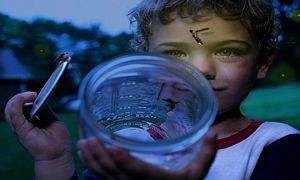
keeping them temporarily in a jar:
- Use a container with air holes
- Add a damp paper towel or coffee filter
- Include apple slices or soft fruit for moisture
- Mist lightly with water occasionally
Most importantly, fireflies should never be kept for long. Releasing them after a day or two gives them the best chance to survive and continue reproducing.
Protecting Nature’s Living Lanterns
Fireflies are more than just beautiful insects. They are indicators of healthy ecosystems. Their disappearance signals larger environmental problems affecting countless species.
Protecting fireflies doesn’t require huge forests or expensive projects. Even small gardens, patches of native plants, piles of leaves, and darker nights can help.
Sometimes, saving something magical begins with simply leaving a little space for nature to breathe.