June 2,2026
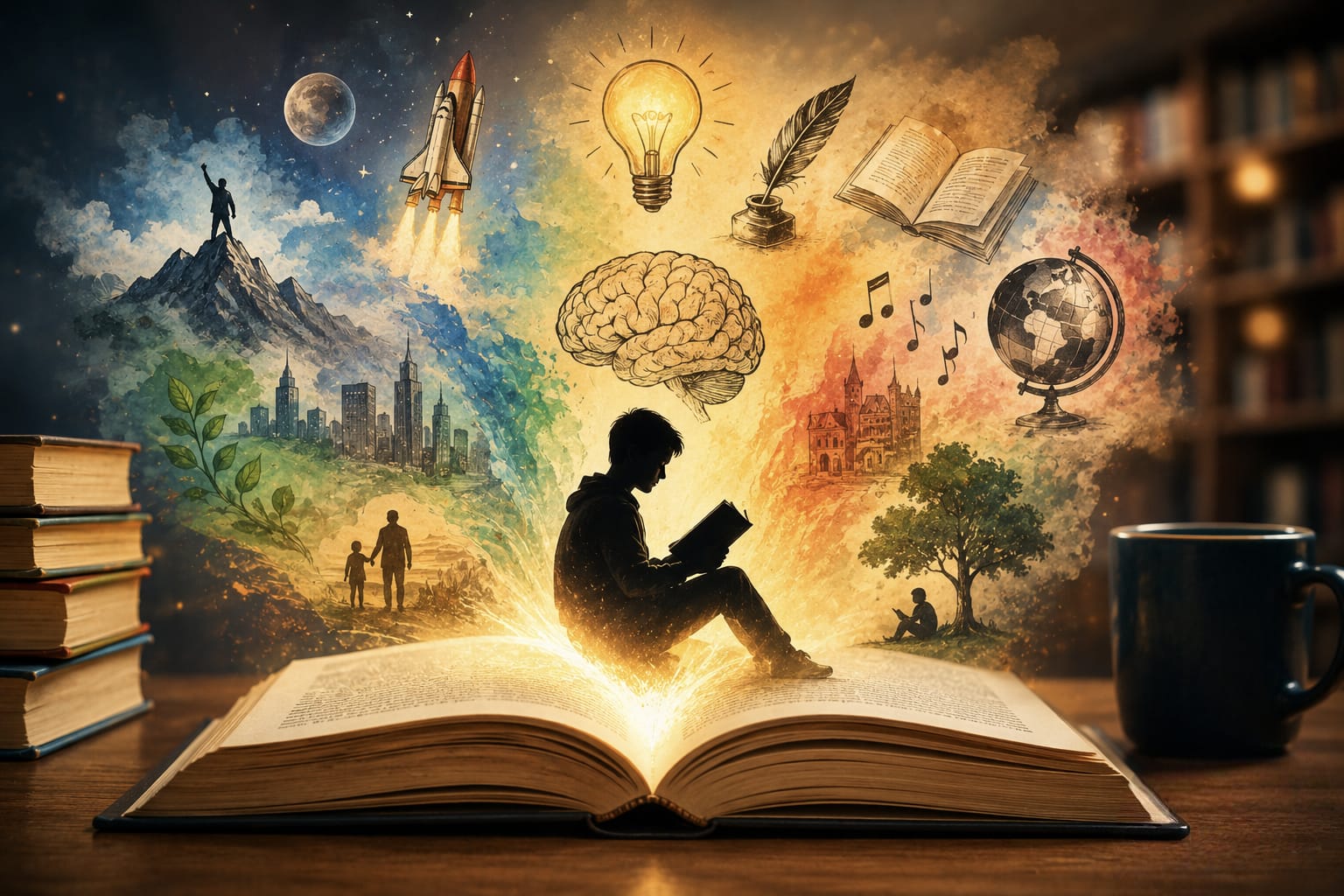
Books have been an essential part of human civilization for centuries. They preserve knowledge, share experiences, inspire imagination, and connect people across generations. From ancient manuscripts to modern digital publications, books continue to influence the way individuals think, learn, and grow. They are more than collections of words on pages; they are powerful tools that shape our personalities, beliefs, and understanding of the world.
In a fast-paced digital era, books remain one of the most valuable sources of wisdom and personal development. They educate, entertain, and inspire readers, leaving lasting impressions that can transform lives. The impact of books extends far beyond the act of reading, influencing decisions, values, relationships, and future aspirations.
Books as Sources of Knowledge
One of the primary ways books shape our lives is through education. Books provide access to information on countless subjects, including science, history, literature, philosophy, technology, and culture. They allow people to learn from the experiences and discoveries of others.
Students rely on books to gain academic knowledge, while professionals use them to improve skills and stay informed about developments in their fields. Through books, readers can explore complex ideas, understand different perspectives, and develop critical thinking abilities.
Knowledge gained from books empowers individuals to make informed decisions and contribute positively to society.
Expanding Imagination and Creativity
Books have the unique ability to transport readers into different worlds. Through stories, readers can experience adventures, meet fascinating characters, and explore places they may never visit in real life.
Fiction, fantasy, and historical novels stimulate imagination by encouraging readers to visualize events and settings. This creative engagement enhances problem-solving skills and inspires innovation.
Many artists, writers, inventors, and entrepreneurs have credited books for sparking ideas that influenced their work. Reading nurtures creativity by exposing individuals to new concepts and possibilities.
Building Character and Values
Books often teach important life lessons through stories, biographies, and real-life experiences. Readers learn about courage, honesty, perseverance, kindness, and responsibility by observing the actions of characters and historical figures.
Inspirational books encourage individuals to develop positive attitudes and strong moral values. They help readers understand the consequences of choices and the importance of ethical behavior.
By presenting diverse situations and perspectives, books help shape character and guide personal growth.
Developing Empathy and Understanding
Reading allows people to see the world through the eyes of others. Whether exploring different cultures, historical periods, or personal experiences, books broaden understanding and promote empathy.
When readers connect with characters facing challenges, they gain insight into emotions, struggles, and perspectives different from their own. This understanding fosters compassion and respect for others.
In an increasingly interconnected world, empathy is essential for building stronger communities and meaningful relationships. Books play a vital role in developing this important quality.
Improving Communication Skills
Books significantly contribute to language development and communication abilities. Regular reading expands vocabulary, improves grammar, and enhances writing skills.
Readers become familiar with different styles of expression and learn how ideas can be communicated effectively. This exposure strengthens both written and verbal communication.
Strong communication skills are valuable in education, careers, and personal relationships. By reading regularly, individuals become more confident and articulate in expressing their thoughts and ideas.
Books and Personal Growth
Many books focus on self-improvement, motivation, leadership, and personal development. These works encourage readers to set goals, overcome obstacles, and reach their full potential.
Self-help books often provide practical strategies for managing time, building confidence, improving relationships, and achieving success. Readers can apply these lessons to various aspects of their lives.
Personal growth begins with learning, and books serve as reliable companions on the journey toward self-discovery and improvement.
Preserving History and Culture
Books act as guardians of history and culture. They document important events, traditions, achievements, and lessons from the past. Without books, much of humanity’s collective knowledge would be lost.
Historical books help readers understand how societies evolved and how past decisions continue to influence the present. Literature also preserves cultural identities by sharing stories, beliefs, and customs across generations.
By reading books from different cultures, individuals gain a deeper appreciation for human diversity and heritage.
Books as Sources of Inspiration
Many people find inspiration through books. Biographies of successful individuals demonstrate how determination, resilience, and hard work can overcome challenges.
Stories of achievement motivate readers to pursue their dreams and believe in their abilities. Books can provide encouragement during difficult times and remind individuals that setbacks are often temporary.
The inspirational power of books has helped countless people transform their lives and achieve meaningful goals.
The Role of Books in the Digital Age
Although digital technology has changed the way people access information, books continue to hold significant value. E-books and audiobooks have made reading more accessible than ever, allowing readers to enjoy literature through various formats.
Despite the rise of social media and online content, books offer a deeper and more focused learning experience. They encourage concentration, reflection, and critical thinking in ways that shorter forms of content often cannot.
The enduring relevance of books demonstrates their unique ability to educate and inspire across generations.
Challenges to Reading Habits
Modern lifestyles often leave little time for reading. Digital distractions, busy schedules, and entertainment options can reduce interest in books.
However, developing a reading habit does not require large amounts of time. Even a few pages each day can produce significant benefits over time. Creating dedicated reading periods and choosing engaging books can help individuals rediscover the joy of reading.
Cultivating a reading habit is an investment in lifelong learning and personal growth.
Conclusion
Books shape our lives in profound and lasting ways. They educate, inspire, entertain, and challenge us to think differently. Through books, we gain knowledge, develop empathy, strengthen communication skills, and discover new possibilities.
In every stage of life, books serve as valuable companions that guide personal development and broaden understanding of the world. As sources of wisdom and inspiration, they continue to influence generations and shape the future of society. Ultimately, the books we read contribute to the people we become, making reading one of the most powerful tools for growth and transformation.