May 29, 2026
Honey is far more than a sweet spread added to tea or toast. It is one of nature’s most remarkable creations — carefully made by bees as a survival food that keeps entire colonies alive during seasons when flowers disappear. Behind every spoonful of honey lies an extraordinary world of teamwork, chemistry, and survival.
For bees, honey is not a luxury. It is their emergency food supply.
Why Bees Make Honey
Flowers do not bloom all year round. During cold seasons, droughts, or harsh weather, nectar becomes difficult to find. To survive these periods, honeybees collect nectar when flowers are abundant and transform it into honey that can be stored safely inside the hive for months.
Fresh nectar contains a large amount of water. If bees stored it directly, it would quickly ferment and spoil. To prevent this, worker bees process the nectar by repeatedly passing it between their mouths and storing it inside honeycomb cells. As water slowly evaporates, the nectar thickens into the rich syrup we know as honey.
Once the honey reaches the correct consistency, bees seal the honeycomb with wax to preserve it.
In many ways, honey is nature’s perfect long-term food storage system.
What Bees Eat
Honeybees need a balanced diet just like humans do. Their food comes entirely from flowers.
- Nectar provides carbohydrates and energy.
- Pollen provides proteins, vitamins, minerals, fats, and amino acids.
Adult bees mostly rely on nectar and honey for energy. Pollen, however, is essential for the growth and development of young bees.
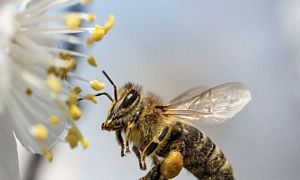
Honeybees are among the world’s most efficient pollinators because of this constant search for nectar and pollen. As they travel from flower to flower collecting food, they unintentionally transfer pollen, helping plants reproduce and ecosystems survive.
Without bees, many fruits, vegetables, and flowering plants would struggle to exist.
The Amazing “Honey Stomach”
Bees have a special organ known as the “honey stomach,” which is separate from their actual digestive stomach. When a bee visits flowers, it stores nectar inside this organ while flying back to the hive.
Inside the honey stomach, enzymes begin breaking down the nectar’s complex sugars into simpler sugars such as glucose and fructose. This transformation helps create honey’s sweetness and also improves preservation.
Once back in the hive, the nectar is passed to other worker bees, who continue the process until honey is finally produced.
Bees Make Their Own Bread
One of the lesser-known wonders inside a beehive is something called bee bread.
Worker bees collect pollen using special pollen baskets on their hind legs. Back at the hive, they pack the pollen into honeycomb cells and mix it with nectar and enzymes. The mixture is then sealed with honey and left to ferment naturally.
This fermented pollen becomes bee bread — a highly nutritious food rich in protein that feeds developing larvae.
The process is surprisingly similar to how humans make sourdough bread through fermentation.
Royal Jelly: The Food That Creates a Queen
Among all bee foods, royal jelly is perhaps the most extraordinary.
Royal jelly is a creamy white substance produced by nurse bees through special glands in their heads. It contains proteins, sugars, vitamins, fats, and important micronutrients.
All bee larvae receive royal jelly during their first few days of life. But future queen bees are different. They are raised inside special structures called queen cups and are fed royal jelly continuously throughout their development.
This exclusive diet transforms an ordinary larva into a queen bee.
A queen grows larger, lives much longer than worker bees, and becomes capable of laying thousands of eggs. In simple terms, royal jelly literally changes the destiny of a bee.
Why Different Honeys Taste Different
Not all honey tastes the same because bees collect nectar from different flowers.
The flower source affects the honey’s:
- Flavor
- Aroma
- Color
- Thickness
Monofloral Honey
This honey mainly comes from one type of flower. Examples include lavender honey, acacia honey, or orange blossom honey. These honeys often have distinct flavors and colors.
Polyfloral Honey
Also known as wildflower honey, this type is made from nectar collected from many different flowers. Its taste can vary depending on the season and region.
Honeydew Honey
Unlike regular honey, honeydew honey is not made from flower nectar. Instead, bees collect sugary secretions from insects that feed on tree sap. This honey has a stronger, less sweet flavor and is especially popular in parts of Europe.
Honey Isn’t Made Only by Honeybees
While honeybees are the most famous honey producers, they are not alone.
Some species of bumblebees, stingless bees, and even certain tropical wasps also produce honey. In South and Central America, some wasp species gather nectar and create small amounts of honey-like substances.
Still, honeybees remain the dominant producers because of their large colonies and impressive efficiency.
Different Types of Honey Found in Stores
Modern honey comes in many forms, each processed differently.
Raw Honey
Raw honey is minimally processed and usually contains pollen, tiny wax particles, and natural enzymes. Many people prefer it because it stays closest to honey’s natural state.
Pasteurized Honey
This honey is heated to destroy yeast and delay crystallization. While it stays smooth longer, heating can slightly alter its taste and aroma.
Filtered Honey
Filtered honey is processed to remove fine particles and pollen, resulting in a very clear appearance commonly seen in supermarkets.
Creamed Honey
Creamed honey is carefully controlled during crystallization to create a smooth, spreadable texture.
Comb Honey
This is honey still stored inside its original beeswax comb, offering one of the most natural ways to eat honey.
Tiny Insects, Massive Importance
The story of honey is ultimately the story of bees — tiny insects performing one of the planet’s most important jobs.
Every drop of honey represents countless flower visits, complex teamwork, and an ecosystem working in harmony. Without bees, not only would honey disappear, but many plants and food crops humans depend on would also suffer.