For generations, people could roughly predict the weather based on the seasons. Summer was usually hot and dry, the rainy season brought regular rainfall, and winter was relatively cool. However, in recent years, many regions around the world have experienced unusual weather patterns. Heavy rain may occur during summer, while traditional rainy seasons sometimes bring less rainfall than expected. Heat waves, floods, droughts, and storms seem to be becoming more common.
These changes have led many people to ask an important question: Why is the climate changing?
The answer involves a combination of natural processes and human activities that are affecting the Earth’s climate system. Understanding these factors helps explain why weather patterns are becoming less predictable and why unusual rainfall events are occurring more frequently.
Weather and Climate Are Different
Before discussing climate change, it is important to understand the difference between weather and climate.
Weather refers to short-term atmospheric conditions such as today’s temperature, rainfall, humidity, and wind.
Climate refers to the average weather patterns of a region over many years or decades.
A rainy day in summer is weather. A long-term increase in summer rainfall over several decades is climate change.
Scientists study climate because it helps reveal long-term trends rather than isolated events.
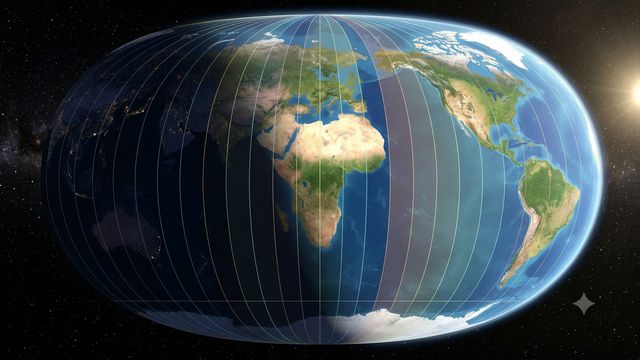
The Earth’s Climate System
The Earth’s climate is controlled by a complex system involving:
- The atmosphere
- Oceans
- Land surfaces
- Ice sheets
- Forests and vegetation
- Solar energy
These components constantly interact with one another.
For example, oceans absorb heat from the sun and release moisture into the atmosphere. Forests influence rainfall by releasing water vapor through plant leaves. Ice reflects sunlight and helps regulate global temperatures.
When one part of this system changes, other parts are affected as well.
The Greenhouse Effect
One of the most important concepts in climate science is the greenhouse effect.
Certain gases in the atmosphere trap heat from the sun. These gases include:
- Carbon dioxide (CO₂)
- Methane (CH₄)
- Nitrous oxide (N₂O)
- Water vapor
Without these gases, Earth would be too cold to support life.
However, human activities have increased the concentration of greenhouse gases significantly since the Industrial Revolution.
As more heat becomes trapped in the atmosphere, global temperatures rise.
This process is commonly known as global warming.
Human Activities and Climate Change
The primary cause of modern climate change is the increased release of greenhouse gases.
Major sources include:
Burning Fossil Fuels
Coal, oil, and natural gas are widely used for electricity generation, transportation, and industrial production.
Burning these fuels releases large amounts of carbon dioxide into the atmosphere.
Deforestation
Trees absorb carbon dioxide through photosynthesis.
When forests are cut down, less carbon dioxide is removed from the atmosphere, and stored carbon is often released.
Agriculture
Livestock farming produces methane, a powerful greenhouse gas.
Rice cultivation and fertilizer use also contribute to greenhouse gas emissions.
Industrial Processes
Factories, manufacturing plants, and construction activities release various greenhouse gases and pollutants.
Together, these activities have altered the natural balance of the Earth’s atmosphere.
Why Is It Raining During Summer?
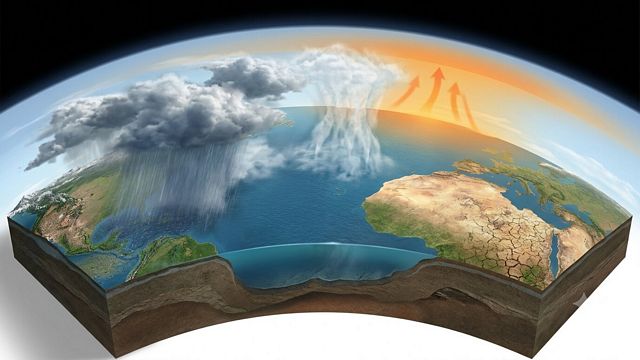
One of the most noticeable effects of climate change is unusual rainfall.
Warmer air can hold more moisture.
As global temperatures rise, evaporation from oceans, lakes, and rivers increases.
This means the atmosphere contains more water vapor than before.
When weather systems develop, they can release larger amounts of rainfall in a shorter period.
As a result, areas that traditionally experienced dry summers may occasionally receive intense rainfall.
The increased moisture in the atmosphere makes extreme rain events more likely.
Why Are Rainy Seasons Becoming Unpredictable?
Climate change affects wind patterns, ocean currents, and atmospheric circulation.
These systems play crucial roles in determining when and where rain falls.
Even small changes can disrupt traditional seasonal rainfall patterns.
Some regions may experience:
- Delayed monsoons
- Earlier monsoons
- Shorter rainy seasons
- Longer dry periods
- More intense rainfall events
In countries that depend heavily on seasonal rains, these disruptions can create significant challenges for agriculture, water management, and daily life.
The Role of Oceans
Oceans absorb more than 90 percent of the excess heat generated by global warming.
As ocean temperatures increase, weather patterns can change dramatically.
Warmer oceans release more moisture into the atmosphere.
This additional moisture fuels stronger storms and heavier rainfall.
Ocean temperature changes can also influence large-scale climate systems such as monsoons and tropical weather patterns.
Because oceans cover most of the Earth’s surface, their influence on climate is enormous.
Urbanization and Local Climate Effects
Climate change is not the only reason weather patterns are changing.
Urbanization also plays a role.
Cities contain large amounts of concrete, asphalt, and buildings that absorb and retain heat.
This phenomenon is known as the urban heat island effect.
Warmer urban areas can alter local wind patterns and atmospheric conditions.
In some cases, cities may influence rainfall distribution and storm development.
Rapid urban growth can therefore contribute to localized climate changes.
Extreme Weather Events
Scientists have observed an increase in many types of extreme weather events.
These include:
- Heat waves
- Floods
- Droughts
- Tropical cyclones
- Intense rainfall events
While no single weather event can automatically be blamed on climate change, warming temperatures increase the likelihood and intensity of many extreme conditions.
Think of climate change as loading the dice.
Extreme weather has always occurred, but climate change increases the chances of certain extremes becoming more severe.
Impact on Agriculture
Changing rainfall patterns directly affect agriculture.
Farmers often rely on predictable seasonal weather.
When rains arrive too early, too late, or in excessive amounts, crops may suffer.
Flooding can damage fields, while prolonged dry periods can reduce yields.
Unpredictable weather also complicates decisions about planting, irrigation, and harvesting.
As climate patterns continue to shift, agricultural systems must adapt to new conditions.
Can Climate Change Be Slowed?
Scientists agree that reducing greenhouse gas emissions can help slow climate change.
Potential solutions include:
- Expanding renewable energy
- Improving energy efficiency
- Protecting forests
- Planting trees
- Reducing waste
- Developing sustainable transportation
International cooperation is also important because climate change affects the entire planet.
Although some climate changes are already underway, future impacts can be reduced through collective action.
Conclusion
The reason we sometimes experience rain during summer and reduced rainfall during traditional rainy seasons is closely linked to changes in the Earth’s climate system. Rising global temperatures, increased greenhouse gases, warmer oceans, shifting wind patterns, and changing atmospheric circulation are making weather patterns less predictable than they were in the past.
Climate change does not simply make the world warmer. It alters how moisture moves through the atmosphere, how storms develop, and when seasonal rainfall occurs. As a result, many regions are experiencing unusual weather patterns, including unexpected summer rains, delayed monsoons, droughts, and extreme rainfall events.
Understanding these changes is the first step toward adapting to them. By reducing environmental impacts and supporting sustainable practices, societies can help slow climate change and build resilience against the increasingly unpredictable weather of the future.