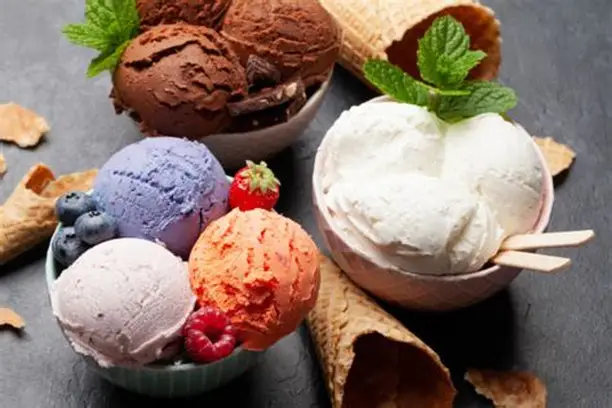
Few desserts are as beloved around the world as ice cream. Whether enjoyed in a cone on a sunny day, served at celebrations, or shared with friends and family, ice cream has become one of the most popular treats in human history. Its creamy texture, refreshing taste, and endless variety of flavors make it a favorite for people of all ages.
But ice cream did not always look or taste the way it does today. Its story stretches back thousands of years and involves ancient civilizations, royal banquets, scientific discoveries, and technological innovations. The evolution of ice cream is a fascinating journey that shows how a simple frozen treat became a global sensation.
The Earliest Frozen Treats
The origins of ice cream can be traced back more than 2,000 years. Long before refrigerators existed, people found creative ways to enjoy cold desserts.
Ancient civilizations in China, Persia, and Rome experimented with frozen foods. Historical records suggest that wealthy individuals collected snow and ice from mountains and mixed them with fruits, honey, or flavored syrups. These early frozen desserts were not ice cream in the modern sense, but they laid the foundation for its development.
In ancient Persia, people created chilled desserts using ice stored in special underground structures called yakhchals. These ingenious buildings helped preserve ice even during hot summers.
Ice Cream in Ancient China
Many historians believe that China played an important role in the early history of ice cream. Around 200 BCE, Chinese cooks reportedly prepared frozen mixtures using milk and rice.
The mixture was cooled by placing containers in snow and ice. This process created a creamy dessert that resembled an early form of ice cream.
Although the exact recipes have been lost over time, these frozen dairy treats demonstrate that people were experimenting with ice-based desserts long before modern technology existed.
The Influence of Marco Polo
A popular story claims that the famous explorer Marco Polo brought ice cream recipes from China to Europe during the 13th century. While historians debate the accuracy of this story, it is clear that frozen desserts gradually became more common across Europe during the Middle Ages.
European chefs refined recipes and introduced new ingredients such as cream, sugar, and eggs. These additions made frozen desserts richer and more flavorful.
Over time, the frozen treats enjoyed by royalty began to resemble modern ice cream.
A Dessert for Kings and Queens
During the Renaissance, ice cream became a luxury enjoyed mainly by wealthy families and royal courts.
Because ice was difficult to obtain and store, frozen desserts were expensive and rare. Skilled chefs guarded their recipes carefully, treating them as valuable secrets.
Royal banquets often featured elaborate frozen creations that impressed guests. Ice cream was seen as a symbol of wealth, sophistication, and prestige.
As trade expanded, sugar became more available, allowing chefs to create sweeter and more enjoyable frozen desserts.
The Arrival of Ice Cream in America
Ice cream eventually crossed the Atlantic and became popular in North America.
Historical records show that many prominent figures enjoyed ice cream, including George Washington and Thomas Jefferson. Jefferson even wrote down a recipe that resembles modern vanilla ice cream.
Throughout the 18th and 19th centuries, ice cream gained popularity among the general public. Ice houses and improved transportation made it easier to store and distribute ice.
As a result, more people could enjoy this once-exclusive dessert.
The Invention of Modern Ice Cream Making
A major breakthrough occurred in the 19th century with the invention of hand-cranked ice cream freezers.
These devices allowed people to churn ice cream more efficiently. Churning prevented large ice crystals from forming, producing a smoother and creamier texture.
This innovation made homemade ice cream easier to prepare and helped increase its popularity.
Soon, ice cream shops began appearing in cities around the world.
The Rise of the Ice Cream Cone
One of the most famous developments in ice cream history was the creation of the ice cream cone.
Although several inventors have claimed credit, the cone became widely popular during the 1904 World’s Fair in St. Louis.
According to a popular story, a waffle vendor rolled his waffles into cone shapes to help an ice cream seller serve customers. The idea was a huge success.
The cone transformed the ice cream experience by making it portable, convenient, and enjoyable.
The Explosion of Flavors
For many years, flavors such as vanilla, chocolate, and strawberry dominated the ice cream market.
As food technology advanced, manufacturers began experimenting with new ingredients and combinations. Today, there are thousands of flavors available worldwide.
Some flavors include fruits, nuts, cookies, candies, spices, and even unusual ingredients such as chili peppers or sea salt.
Different countries have developed unique regional flavors that reflect local cultures and traditions.
Surprising Ice Cream Facts
Ice cream has accumulated many interesting facts throughout its history.
- Vanilla remains one of the most popular ice cream flavors worldwide.
- The average person consumes several kilograms of ice cream each year.
- Brain freeze occurs when something cold touches the roof of the mouth, causing blood vessels to react quickly.
- Some of the world’s largest ice cream sculptures weigh several tons.
- Scientists continue to study the chemistry behind ice cream’s texture and flavor.
These facts show that even a simple dessert can inspire curiosity and scientific research.
Ice Cream and Modern Technology
Modern ice cream production relies heavily on science and technology.
Manufacturers carefully control temperature, ingredient ratios, and mixing techniques to create the perfect texture. Specialized machines can produce large quantities while maintaining consistent quality.
Researchers continue to develop healthier alternatives, including low-fat, dairy-free, and plant-based options.
As consumer preferences change, the ice cream industry continues to evolve and innovate.
Why People Love Ice Cream
Ice cream’s popularity goes beyond its taste. For many people, it is associated with happy memories, family gatherings, vacations, and celebrations.
Its refreshing nature makes it especially appealing during warm weather. The enormous variety of flavors ensures that there is something for everyone.
Ice cream also provides a sense of comfort and enjoyment that few desserts can match.
Conclusion
The evolution of ice cream is a remarkable story that spans thousands of years. From ancient snow-based treats enjoyed by royalty to the countless flavors available today, ice cream has undergone an incredible transformation.
Advances in science, technology, and food production have turned a rare luxury into a dessert enjoyed by millions around the world. Yet despite all these changes, the simple joy of enjoying a scoop of ice cream remains the same.
As new flavors and innovations continue to emerge, ice cream’s story is far from over. Its cool journey through history reminds us that even the simplest pleasures can have an extraordinary past.