Kabaddi, one of India’s oldest and most celebrated indigenous sports, has transcended generations to remain a vital part of the nation’s cultural identity. Rooted in rural traditions and community gatherings, Kabaddi is more than just a game—it is a reflection of India’s heritage, resilience, and collective spirit. Today, it continues to thrive both as a recreational activity in villages and as a professional sport on international platforms, symbolizing the balance between tradition and modernity.
Origins of Kabaddi
The origins of Kabaddi can be traced back thousands of years, with references found in ancient Indian texts and folklore. Traditionally played in open fields, Kabaddi was designed as a test of strength, agility, and strategy. It was often associated with preparation for warfare, as players developed stamina, quick reflexes, and tactical thinking. Over time, Kabaddi evolved into a community sport, played during festivals and social gatherings, reinforcing unity and cooperation among villagers.
The Nature of the Game
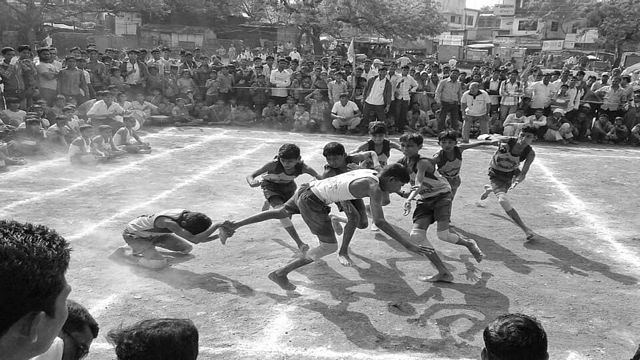
Kabaddi is a contact team sport that combines physical endurance with mental sharpness. The game involves two teams, with players taking turns to raid the opponent’s half while chanting “Kabaddi” continuously. The objective is to tag opponents and return safely without being tackled. This unique blend of offense and defense requires not only strength but also calculated risk-taking and teamwork. Its simplicity makes it accessible, requiring minimal equipment and offering equal opportunity for participation.
Kabaddi as a Rural Tradition
In rural India, Kabaddi has long been a symbol of community bonding. Villages often organize Kabaddi matches during harvest festivals, weddings, and local fairs. These events serve as platforms for showcasing talent, fostering camaraderie, and instilling discipline among youth. The sport’s grassroots presence ensures that it remains deeply embedded in the cultural fabric, reflecting values of resilience, cooperation, and collective pride.
Kabaddi and National Identity
Kabaddi’s significance extends beyond rural boundaries, contributing to India’s national identity. Recognized as the country’s indigenous sport, Kabaddi has been promoted at state and national levels through school competitions and sports academies. Its inclusion in the Asian Games brought international recognition, positioning Kabaddi as a symbol of India’s sporting heritage. For many, Kabaddi represents the spirit of self-reliance and cultural pride, standing alongside cricket and hockey as a defining feature of Indian sports.
The Rise of Professional Kabaddi
The launch of the Pro Kabaddi League (PKL) in 2014 marked a turning point in the sport’s history. With televised matches, celebrity endorsements, and corporate sponsorships, Kabaddi gained unprecedented visibility. The league transformed Kabaddi into a professional sport, attracting urban audiences and inspiring young athletes to pursue it as a career. This modernization has not only elevated Kabaddi’s status but also ensured its survival in a rapidly changing sporting landscape.
Cultural Symbolism of Kabaddi
Kabaddi embodies cultural symbolism that resonates with Indian society. The sport emphasizes teamwork, courage, and resilience—qualities deeply valued in Indian traditions. Its reliance on physical and mental endurance mirrors the struggles of everyday life, while its communal nature reinforces the importance of unity. Kabaddi also serves as a metaphor for balance, requiring players to harmonize aggression with strategy, much like the balance sought in social and cultural life.
Kabaddi in Global Context
While Kabaddi remains most popular in South Asia, its appeal has spread internationally. Countries such as Iran, South Korea, and Bangladesh have embraced the sport, competing in global tournaments. The internationalization of Kabaddi highlights its adaptability and universal appeal, proving that a traditional Indian game can resonate across cultures. This global recognition strengthens India’s cultural influence and showcases the enduring relevance of indigenous sports.
Challenges and Preservation
Despite its growing popularity, Kabaddi faces challenges in maintaining its traditional essence. Commercialization and professional leagues risk overshadowing its grassroots identity. Experts emphasize the need to preserve Kabaddi’s cultural roots by promoting village-level tournaments, integrating the sport into school curricula, and supporting local athletes. Balancing modernization with tradition is crucial to ensuring Kabaddi remains both a cultural treasure and a competitive sport.
Conclusion
Kabaddi is more than a game; it is a living tradition that embodies India’s cultural heritage, resilience, and unity. From village fields to international arenas, Kabaddi continues to inspire generations, bridging the gap between past and present. Its struggles and triumphs reflect the broader journey of Indian society—rooted in tradition yet open to modern transformation. As Kabaddi evolves, its cultural significance remains a reminder of the enduring power of indigenous sports in shaping national identity.