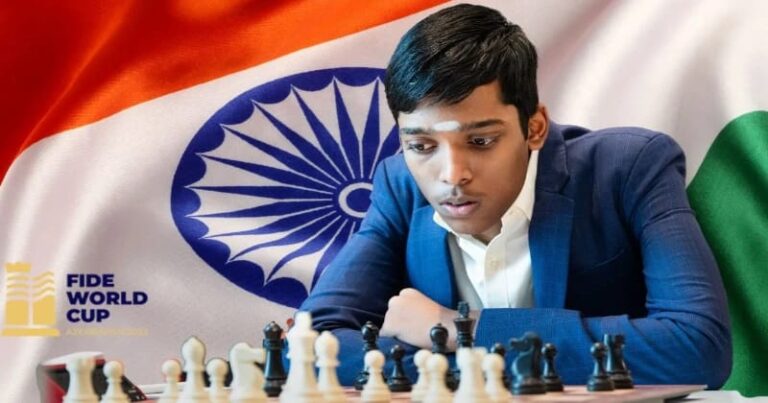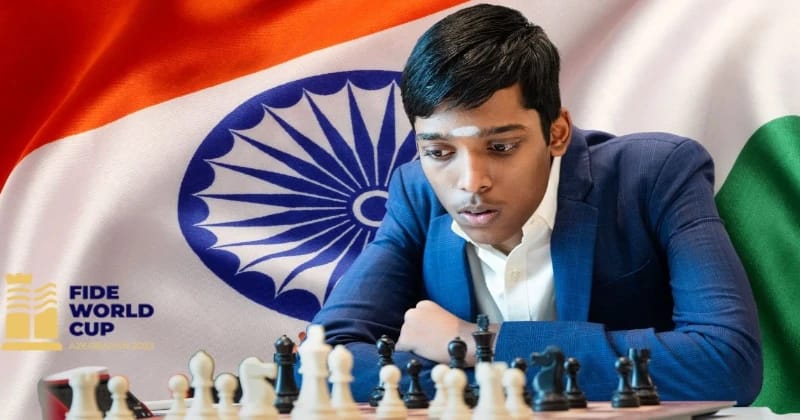
Chess has long been considered a game of wisdom, patience, and experience. For centuries, many believed that only seasoned masters could compete at the highest level. Yet, in recent years, young grandmasters have challenged this belief by defeating some of the strongest players in the world. Their success raises an exciting question: Can a young grandmaster truly defeat the world’s best?
The answer is a resounding yes. Modern chess has entered a new era where age is no longer the biggest factor in determining success. Talent, dedication, technology, and hard work have enabled young players to compete with and often surpass experienced champions. One of the best examples of this trend is the rise of young stars such as Indian chess sensation R. Praggnanandhaa, who has repeatedly proven that youth is not a barrier to greatness.
What Is a Grandmaster?
Before exploring how young players defeat elite opponents, it is important to understand what a grandmaster is. The title of Grandmaster is the highest title awarded by the international chess organization, FIDE. Earning this title requires exceptional skill, consistent tournament performances, and the ability to compete against strong international opponents.
Becoming a grandmaster is difficult at any age. However, some young players achieve this title while still in their early teens, demonstrating extraordinary talent and dedication.
The Rise of Young Chess Stars
In the past, chess champions often reached their peak after many years of experience. Today, young players begin learning the game at a very early age and have access to powerful training tools.
Computers and chess engines allow young talents to analyze millions of positions and study games played by the world’s greatest masters. Online tournaments and training platforms provide opportunities to practice against strong opponents from around the globe.
As a result, today’s young grandmasters arrive on the international stage better prepared than ever before. Their understanding of opening theory, tactics, and strategy can rival that of experienced veterans.
The Power of Fearlessness
One reason young grandmasters succeed is their fearless attitude. Experienced players often carry the pressure of maintaining rankings, reputations, and expectations. Young players, on the other hand, frequently approach games with confidence and enthusiasm.
They are willing to take risks, explore creative ideas, and challenge established theories. This fearless mindset can make them dangerous opponents, even for world champions.
When facing famous players, young grandmasters often see an opportunity rather than a threat. Instead of being intimidated by big names, they focus on finding the best moves on the board.
The Example of Praggnanandhaa
One of the brightest examples of a young grandmaster defeating the world’s best is Indian chess star R. Praggnanandhaa. From an early age, he displayed remarkable talent and quickly gained recognition in the international chess community.
Praggnanandhaa became one of the youngest grandmasters in history and soon began competing against elite players. Over the years, he has defeated several world-class opponents, including former world champions and top-ranked grandmasters.
His victories have inspired millions of young chess enthusiasts. More importantly, they have shown that determination and preparation can overcome experience and reputation.
Praggnanandhaa’s success demonstrates that age does not define a player’s strength. What matters is the ability to think clearly, calculate accurately, and remain calm under pressure.
Technology’s Role in Modern Chess
Technology has transformed chess training. In earlier generations, players relied mainly on books, coaches, and tournament experience. Today’s young players have access to advanced chess engines that can evaluate positions with incredible accuracy.
They can review their mistakes instantly, study thousands of master games, and learn from the world’s strongest players through online resources.
This technological advantage allows young grandmasters to improve rapidly. They can gain years of knowledge in a much shorter period than previous generations.
As a result, the gap between youth and experience has become smaller than ever before.
Mental Strength Matters
While talent and preparation are important, mental strength plays an equally significant role. Elite chess games often last several hours and require intense concentration.
Young grandmasters who succeed at the highest level develop excellent mental discipline. They learn how to handle pressure, recover from setbacks, and stay focused during critical moments.
The ability to remain calm when facing world champions is one of the key reasons why young players can achieve remarkable victories.
Learning from Defeat
Every great chess player experiences losses. Young grandmasters are no exception. What separates future champions from others is their willingness to learn from mistakes.
Instead of becoming discouraged by defeats, successful young players analyze their games carefully and identify areas for improvement. Each loss becomes a lesson that strengthens their future performance.
This growth mindset allows them to develop rapidly and compete with increasingly stronger opponents.
The Changing Face of Chess
The success of young grandmasters reflects a broader change in the chess world. Today, the game is more global and competitive than ever before. Talented players emerge from many countries and backgrounds.
Young champions from India, China, the United States, Uzbekistan, and other nations are regularly challenging established stars. Their achievements prove that chess excellence is not limited by age, geography, or tradition.
The next generation of chess players continues to raise the standard of competition, making the game more exciting for fans around the world.
Lessons Beyond Chess
The story of young grandmasters offers valuable lessons that extend beyond the chessboard. Their success teaches us the importance of hard work, continuous learning, confidence, and perseverance.
Many people assume that experience alone determines success. Young chess champions show that dedication and preparation can overcome even the toughest challenges.
Whether in sports, academics, business, or personal goals, the same principle applies: determination and effort often matter more than age.
Conclusion
So, can a young grandmaster defeat the world’s best? The evidence clearly says yes. Modern chess has proven that talented young players can compete with and defeat even the strongest champions.
Through rigorous training, advanced technology, fearless play, and strong mental discipline, young grandmasters continue to achieve extraordinary results. Players like R. Praggnanandhaa have demonstrated that age is merely a number when matched against passion, skill, and dedication.
As chess continues to evolve, young talents will undoubtedly keep challenging the established order. Their victories remind us that greatness is not determined by how old you are, but by how hard you are willing to work and how boldly you pursue your dreams.