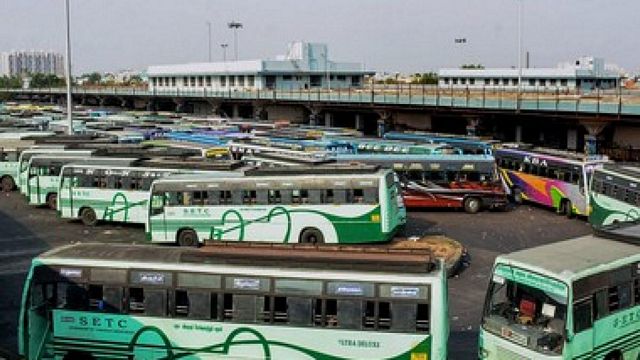
Public transport in Tamil Nadu plays a crucial role in connecting millions of residents across cities and rural areas. Despite challenges, buses, trains, and metro systems provide affordable, accessible, and eco-friendly travel options. This article highlights the benefits of public transport in Tamil Nadu, examining its economic, social, and environmental impact while exploring how improvements can make it the backbone of sustainable urban mobility.
Accessibility Across Urban and Rural Areas
Tamil Nadu’s public transport system ensures connectivity across diverse regions. The Tamil Nadu State Transport Corporation (TNSTC) operates thousands of buses linking villages, towns, and cities. For rural residents, buses remain the most reliable mode of travel, offering access to schools, hospitals, and workplaces. In urban centers like Chennai, metro and suburban rail services provide faster alternatives, reducing dependence on private vehicles.
Affordability for All Income Groups
One of the greatest advantages of public transport is affordability. Bus fares in Tamil Nadu are significantly lower compared to fuel and maintenance costs of private vehicles. For daily wage earners and students, public transport offers an economical way to commute. Government subsidies and concession passes further reduce costs, ensuring that even low-income families can travel without financial strain.
Reducing Traffic Congestion
Tamil Nadu’s cities, particularly Chennai and Coimbatore, face growing traffic congestion due to rising private vehicle ownership. Public transport helps ease this burden by reducing the number of cars and two-wheelers on the road. Metro rail projects in Chennai have already demonstrated how efficient public transport can cut travel time and reduce traffic density. Expanding such systems across other cities could significantly improve urban mobility.
Environmental Sustainability
Public transport contributes to reducing carbon emissions and air pollution. With fewer private vehicles on the road, cities experience lower fuel consumption and cleaner air. Tamil Nadu’s recent push toward electric buses and eco-friendly metro systems highlights the state’s commitment to sustainable transport. Encouraging more commuters to use public transport is essential to achieving environmental goals and combating climate change.
Safety and Social Inclusion
Public transport fosters social inclusion by providing mobility to those who cannot afford private vehicles. Women, elderly citizens, and differently-abled individuals benefit from accessible bus and train services. Initiatives such as reserved seating and women-only coaches in suburban trains enhance safety and inclusivity. Strengthening these measures can make public transport more appealing to vulnerable groups.
Boosting Economic Productivity
Efficient public transport directly impacts economic growth. By reducing travel time and improving accessibility, workers can reach jobs more easily, and businesses can operate more effectively. Affordable transport also supports tourism, enabling visitors to explore Tamil Nadu’s cultural and historical landmarks without high travel costs. The integration of metro, bus, and rail services can further enhance productivity by streamlining movement across regions.
Government Initiatives and Modernization
The Tamil Nadu government has invested in modernizing public transport through metro rail expansion, smart ticketing systems, and electric buses. These initiatives aim to improve reliability, comfort, and sustainability. The introduction of digital payment options and mobile apps for real-time updates has made commuting more convenient. Continued investment in infrastructure and technology will be key to increasing public transport usage.
Changing Public Perception
Despite its benefits, public transport is often perceived as less convenient compared to private vehicles. Addressing overcrowding, improving punctuality, and enhancing safety can help shift this perception. Public awareness campaigns highlighting the economic and environmental advantages of buses and trains may encourage more commuters to embrace public transport as a primary mode of travel.
Conclusion
Public transport in Tamil Nadu offers affordability, accessibility, and sustainability, making it vital for the state’s future. While challenges remain, ongoing modernization efforts and government initiatives are paving the way for a more reliable and eco-friendly system. By strengthening public transport, Tamil Nadu can reduce congestion, improve air quality, and ensure inclusive mobility for all residents.