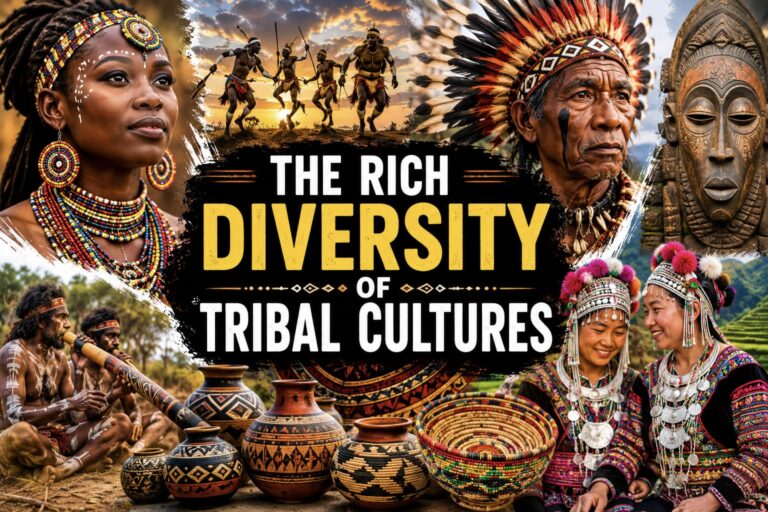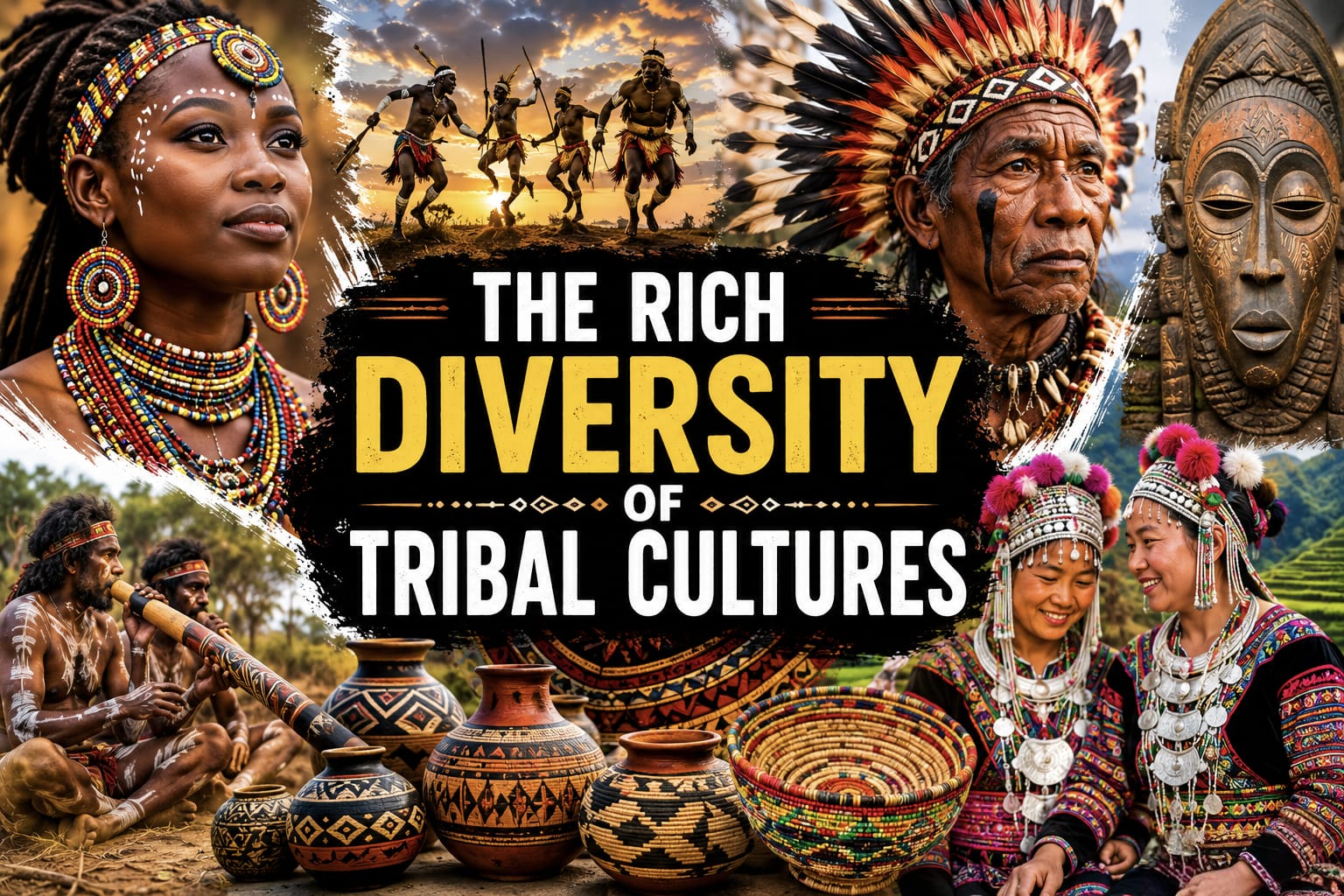
Tribal cultures are among the oldest and most fascinating expressions of human civilization. Long before the rise of modern cities and advanced technologies, tribal communities developed unique ways of living that were deeply connected to nature, tradition, and community values. Today, tribal groups can be found across Africa, Asia, Australia, North and South America, and many remote regions of the world. Each tribe possesses its own language, customs, beliefs, art forms, and social systems, contributing to the incredible diversity of human culture.
The rich diversity of tribal cultures offers valuable insights into humanity’s history, creativity, and relationship with the natural world. By understanding and appreciating these cultures, we gain a deeper respect for the many ways people have adapted to their environments and preserved their identities through generations.
Understanding Tribal Cultures
A tribe is generally a social group that shares a common ancestry, language, traditions, and territory. Tribal communities often maintain strong cultural identities and preserve customs that have been passed down through generations.
While some tribes live in remote forests, mountains, deserts, or islands, others have adapted to modern life while continuing to uphold their traditional values. Despite differences in location and lifestyle, tribal societies often share a strong sense of community, respect for nature, and commitment to preserving their heritage.
A World of Cultural Diversity
One of the most remarkable aspects of tribal cultures is their diversity. Thousands of tribal groups exist worldwide, each with unique characteristics.
Some tribes are known for their colorful clothing and elaborate ceremonies, while others are recognized for their hunting skills, agricultural practices, or artistic traditions. Languages, music, dances, rituals, and social structures vary greatly from one tribe to another.
This diversity demonstrates the creativity and adaptability of human societies. It also highlights the importance of preserving cultural traditions that enrich the global community.
Language as a Cultural Treasure
Language plays a vital role in tribal identity. Many tribes have their own languages or dialects that carry centuries of knowledge, stories, and traditions.
Through language, tribal communities pass down history, folklore, songs, and cultural values. However, many tribal languages are endangered due to modernization and globalization. When a language disappears, valuable cultural knowledge may be lost forever.
Efforts to preserve tribal languages help protect not only communication but also the unique worldview and heritage of these communities.
Traditional Knowledge and Wisdom
Tribal cultures possess extensive knowledge about the natural environment. Over generations, tribal communities have learned how to use plants for medicine, cultivate crops sustainably, track animals, predict weather patterns, and manage natural resources.
This traditional knowledge has helped tribes survive in challenging environments and maintain ecological balance. Scientists and environmentalists increasingly recognize the value of indigenous knowledge in addressing modern environmental challenges.
Many tribal practices promote sustainability and demonstrate how humans can live in harmony with nature.
Art and Creativity
Tribal art is one of the most distinctive aspects of tribal culture. It reflects history, beliefs, spirituality, and everyday life.
Tribal artists create beautiful works using materials such as wood, clay, stone, feathers, beads, and natural dyes. Masks, carvings, pottery, textiles, jewelry, and paintings often carry symbolic meanings and tell important cultural stories.
These artistic traditions not only preserve cultural identity but also contribute to the world’s artistic heritage. Tribal art continues to inspire contemporary artists and designers around the globe.
Music and Dance
Music and dance are central to many tribal cultures. They serve as powerful forms of communication, celebration, and spiritual expression.
Traditional songs often tell stories of ancestors, historical events, nature, and community life. Musical instruments may be handcrafted using locally available materials such as wood, animal skins, shells, and bamboo.
Dance performances accompany festivals, ceremonies, and important life events. Through rhythm and movement, tribal communities express joy, gratitude, unity, and cultural pride.
Spiritual Beliefs and Rituals
Spirituality plays an important role in many tribal societies. Tribal belief systems often emphasize the connection between humans, nature, and the spiritual world.
Many tribes honor ancestors, sacred landscapes, animals, and natural elements such as rivers, mountains, and forests. Rituals and ceremonies are conducted to celebrate harvests, mark life transitions, seek blessings, or express gratitude.
These spiritual traditions strengthen community bonds and provide a sense of purpose and belonging.
Strong Community Values
One of the defining features of tribal cultures is their emphasis on community. Tribal societies often prioritize cooperation, mutual support, and collective responsibility.
Members work together to build homes, cultivate crops, celebrate festivals, and solve problems. Elders are highly respected for their wisdom and experience, while younger generations learn cultural values through participation in community life.
This strong sense of belonging contributes to social harmony and cultural continuity.
Challenges Facing Tribal Cultures
Despite their rich heritage, many tribal communities face significant challenges today. Deforestation, urbanization, climate change, and economic pressures threaten traditional ways of life.
In some regions, tribal lands have been reduced or disrupted by development projects. Cultural traditions may also be at risk as younger generations move to cities and adopt different lifestyles.
Additionally, many tribal groups struggle to preserve their languages, customs, and identities in a rapidly changing world.
Preserving Tribal Heritage
Protecting tribal cultures is essential for preserving humanity’s cultural diversity. Governments, organizations, educators, and communities all have a role to play in safeguarding indigenous heritage.
Efforts to preserve tribal cultures include documenting languages, supporting traditional arts, protecting ancestral lands, promoting cultural education, and respecting indigenous rights.
Museums, cultural festivals, and educational programs also help raise awareness about the importance of tribal heritage and encourage appreciation for cultural diversity.
Lessons from Tribal Cultures
Modern societies can learn valuable lessons from tribal communities. Their emphasis on sustainability, community cooperation, respect for nature, and cultural preservation offers important insights for addressing contemporary challenges.
Many tribal traditions remind us that progress does not have to come at the expense of cultural identity or environmental responsibility. By valuing both innovation and tradition, societies can create a more balanced and sustainable future.
Conclusion
The rich diversity of tribal cultures is one of humanity’s greatest treasures. Across the world, tribal communities preserve unique languages, traditions, knowledge systems, and ways of life that have evolved over centuries. Their cultures reflect the creativity, resilience, and wisdom of countless generations.
As globalization continues to reshape the world, protecting tribal heritage becomes increasingly important. By appreciating and supporting tribal cultures, we help ensure that their stories, traditions, and knowledge continue to enrich future generations. The diversity of tribal cultures is not only a reminder of our shared human history but also a source of inspiration for building a more inclusive and culturally rich world.