Plastic is one of the most widely used materials in the modern world. From food packaging and water bottles to electronic devices and medical equipment, plastic has become an essential part of everyday life. Its durability, flexibility, and low cost have made it a popular choice for countless applications. However, the widespread use of plastic has also created one of the biggest environmental challenges of our time.
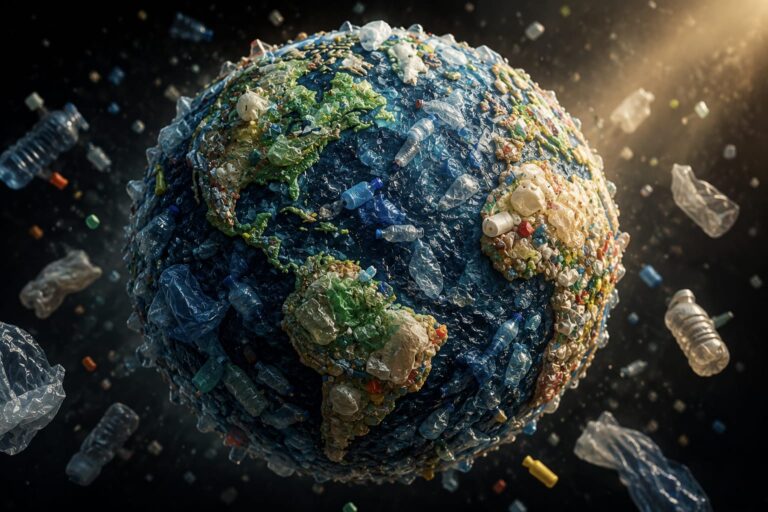
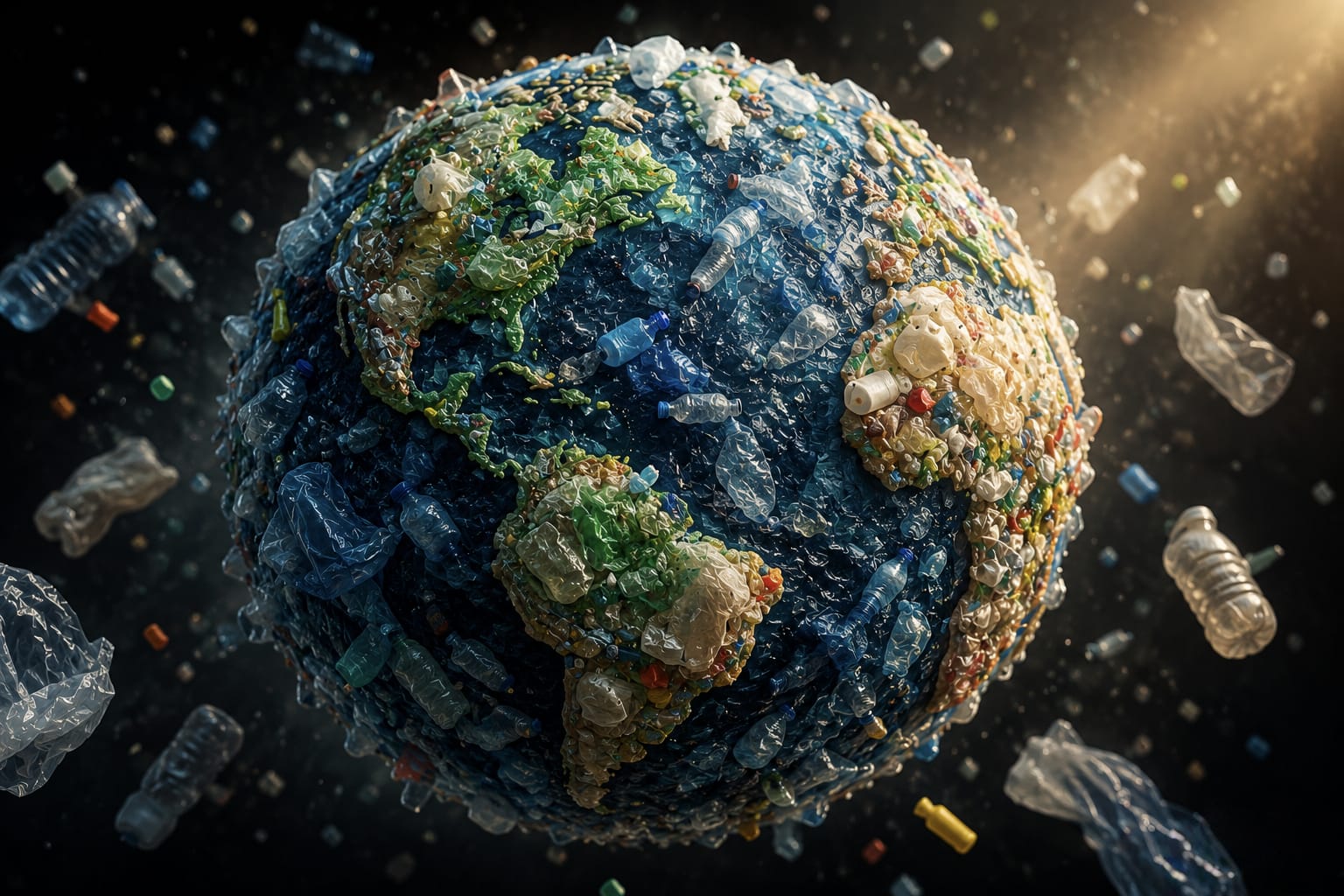
Today, plastic waste can be found almost everywhere—on city streets, in rivers, on beaches, and even in the deepest parts of the oceans. The increasing dependence on plastic has transformed Earth into what many people call “The Plastic Planet.” While plastic has brought convenience and innovation, its impact on the environment has raised serious concerns about the future of our planet.
The Rise of Plastic
The history of plastic began in the early twentieth century when scientists developed synthetic materials that could replace natural resources such as wood, metal, and ivory. Plastic quickly became popular because it was lightweight, strong, inexpensive, and easy to manufacture.
As industries expanded, plastic products became available worldwide. Today, billions of tons of plastic are produced each year to meet the demands of modern society. From shopping bags and food containers to toys and household items, plastic is present in nearly every aspect of daily life.
Its versatility has revolutionized industries such as healthcare, transportation, construction, and technology, making it one of the most important inventions of the modern era.
Why Plastic Became So Popular
Plastic offers many advantages that contributed to its global success.
First, it is highly durable. Unlike many materials, plastic does not easily break down when exposed to water, sunlight, or chemicals. This makes it useful for a wide variety of products.
Second, plastic is lightweight, reducing transportation costs and energy consumption. It is also easy to shape into different forms, allowing manufacturers to create products for countless purposes.
Finally, plastic is affordable. Its low production costs have made many products accessible to people around the world.
These benefits explain why plastic became a dominant material in modern society.
The Growing Problem of Plastic Waste
While plastic’s durability is useful during its lifetime, it becomes a major problem after disposal. Most plastics do not decompose naturally within a short period. Instead, they can remain in the environment for hundreds of years.
Every year, millions of tons of plastic waste are discarded. A significant portion ends up in landfills, rivers, oceans, and natural habitats. Improper disposal and littering contribute to the accumulation of plastic pollution worldwide.
As plastic waste continues to increase, managing and reducing it has become a major environmental challenge.
Plastic Pollution in the Oceans
One of the most visible consequences of plastic waste is ocean pollution. Large amounts of plastic enter rivers and waterways before eventually reaching the sea.
Plastic debris floats on the ocean surface, washes onto beaches, and sinks to the ocean floor. Marine animals often mistake plastic for food or become entangled in discarded fishing gear and other waste.
Sea turtles, seabirds, fish, and marine mammals can suffer serious injuries or death due to plastic pollution. As plastic accumulates in marine ecosystems, it threatens biodiversity and disrupts natural food chains.
The health of the oceans is closely connected to the health of the planet, making plastic pollution a global concern.
The Problem of Microplastics
Over time, larger plastic items break into tiny fragments known as microplastics. These particles are extremely small and can be found in water, soil, air, and even food.
Microplastics have been detected in oceans, lakes, rivers, and remote environments far from human settlements. Scientists continue to study their potential effects on ecosystems and human health.
Because microplastics are difficult to remove once they enter the environment, preventing plastic pollution at its source is especially important.
Impact on Wildlife
Plastic pollution affects countless animal species. Birds may accidentally swallow plastic pieces, mistaking them for food. Marine animals can become trapped in plastic waste, limiting their ability to move, feed, or survive.
Land animals are also affected. Plastic litter in forests, fields, and urban areas can harm wildlife and disrupt habitats.
Protecting animals requires reducing plastic waste and ensuring that materials are disposed of responsibly.
Plastic and Human Life
Plastic is not entirely harmful. In fact, it provides many important benefits to society.
Medical equipment such as syringes, gloves, and protective devices often rely on plastic materials. Plastic packaging helps preserve food, reducing waste and extending shelf life. Vehicles and aircraft use lightweight plastic components to improve fuel efficiency.
The challenge is not plastic itself but how it is produced, used, and discarded. Responsible management is necessary to balance the benefits of plastic with environmental protection.
Recycling and Waste Management
Recycling is one of the most effective ways to reduce plastic waste. By collecting and processing used plastic materials, manufacturers can create new products while reducing the need for raw materials.
However, not all plastics are easily recyclable. Some types are difficult or expensive to process, limiting recycling rates in many regions.
Improved waste management systems, public awareness campaigns, and recycling infrastructure can help reduce the amount of plastic entering the environment.
Alternatives to Single-Use Plastics
Many communities and businesses are exploring alternatives to disposable plastic products.
Reusable bags, metal water bottles, glass containers, paper packaging, and biodegradable materials offer environmentally friendly options. Choosing reusable products can significantly reduce plastic waste over time.
Governments around the world have also introduced regulations to limit certain single-use plastic items, encouraging more sustainable practices.
Small changes in daily habits can collectively make a significant difference.
What Individuals Can Do
Everyone can contribute to reducing plastic pollution through simple actions:
- Use reusable shopping bags.
- Carry refillable water bottles.
- Recycle properly.
- Avoid unnecessary single-use plastics.
- Participate in community clean-up programs.
- Support environmentally responsible businesses.
Individual efforts, combined with larger environmental initiatives, can help create positive change.
The Future of the Plastic Planet
The future of our planet depends on how society manages plastic use. Scientists, engineers, governments, businesses, and communities are working together to develop better recycling technologies and sustainable alternatives.
Innovation can help reduce environmental impacts while preserving the benefits that plastic provides. Education and awareness are also essential in encouraging responsible consumption and waste management.
A cleaner future is possible if individuals and organizations commit to reducing plastic pollution and protecting natural ecosystems.
Conclusion
“The Plastic Planet” highlights both the remarkable benefits and serious challenges associated with plastic. This versatile material has transformed modern life, making products more affordable, durable, and accessible. However, its widespread use has also created significant environmental problems that affect oceans, wildlife, and ecosystems worldwide.
Addressing plastic pollution requires cooperation, innovation, and responsible action at every level of society. By reducing waste, promoting recycling, and adopting sustainable alternatives, humanity can work toward a healthier and cleaner planet. The choices made today will determine whether future generations inherit a world overwhelmed by plastic or one that successfully balances progress with environmental stewardship.