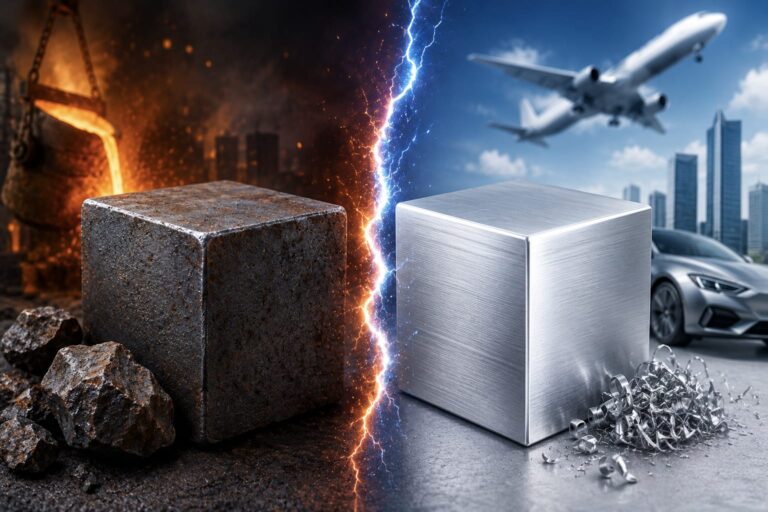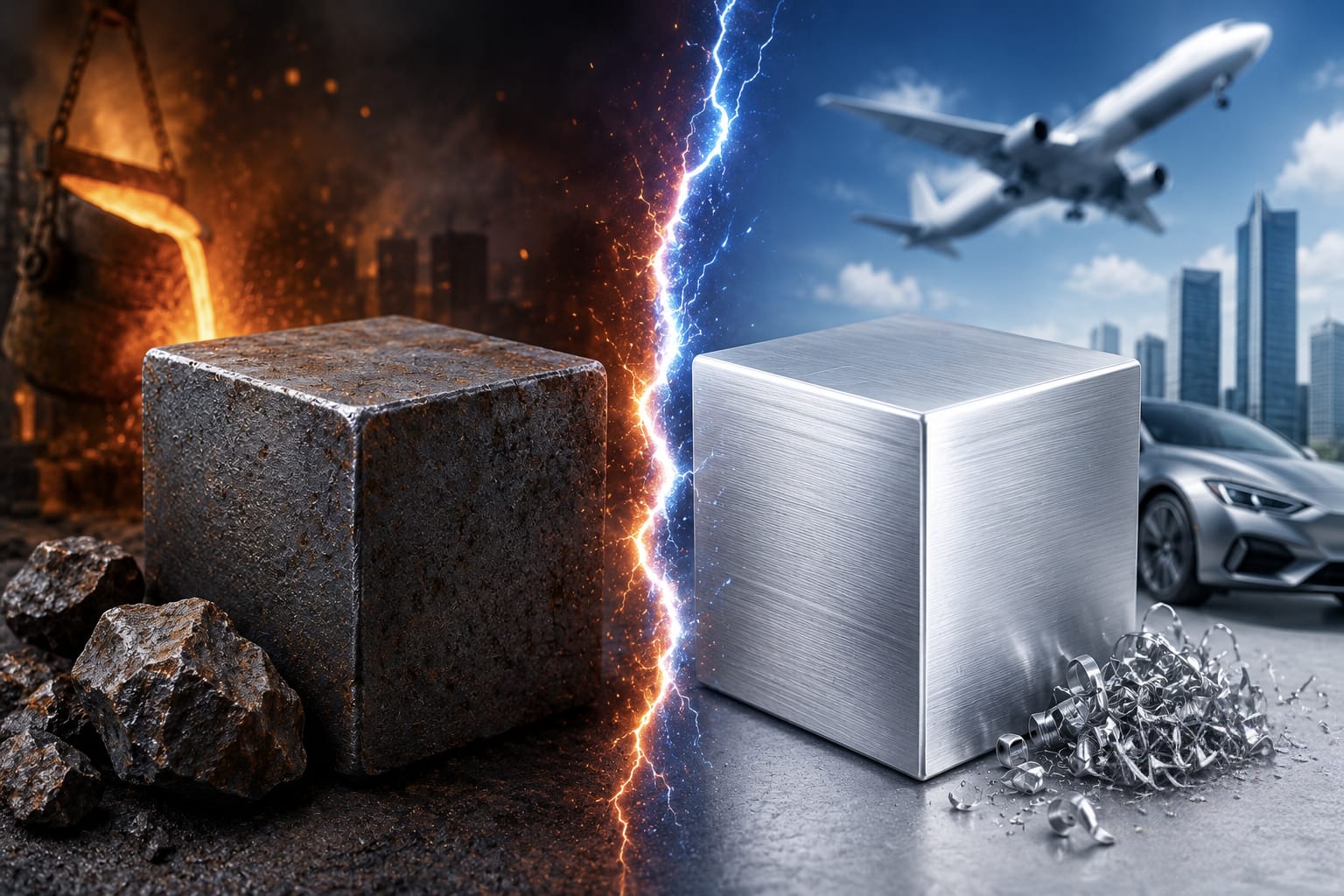
Metals have played a vital role in human civilization for thousands of years. From ancient tools and weapons to modern skyscrapers and aircraft, metals have shaped the world we live in. Among the many metals used today, iron and aluminium stand out as two of the most important and widely used materials. Each metal possesses unique properties that make it suitable for specific applications.
Iron is known for its strength and durability, while aluminium is valued for its lightweight nature and resistance to corrosion. The competition between these two metals has influenced industries ranging from construction and transportation to technology and household products. This ongoing comparison can be described as “The Battle of Metals: Iron vs Aluminium.”
Understanding Iron
Iron is one of the most abundant metals on Earth. It has been used by humans for thousands of years and remains a foundation of modern industry. Pure iron is relatively soft, but when combined with carbon, it forms steel, one of the strongest and most useful materials in existence.
Iron is known for its exceptional strength and toughness. Because of these qualities, it is widely used in buildings, bridges, railways, machinery, and heavy equipment. Iron’s ability to withstand significant loads makes it an essential material for large-scale construction projects.
However, iron has one major weakness: it is prone to rust when exposed to moisture and oxygen. Protective coatings and treatments are often required to prevent corrosion.
Understanding Aluminium
Aluminium is the most abundant metal in the Earth’s crust. Although it was discovered much later than iron, it has become one of the most valuable materials in modern engineering.
One of aluminium’s greatest advantages is its low weight. It weighs approximately one-third as much as iron, making it ideal for applications where reducing weight is important. Aircraft, automobiles, bicycles, and electronic devices often use aluminium because of its lightweight properties.
Unlike iron, aluminium naturally forms a protective oxide layer that helps prevent corrosion. This makes it highly resistant to rust and suitable for outdoor environments. Aluminium is also an excellent conductor of heat and electricity, making it useful in electrical systems and kitchen appliances.
Strength: Iron Takes the Lead
When it comes to raw strength, iron generally outperforms aluminium. Iron and steel structures can support enormous amounts of weight and withstand significant pressure.
This strength makes iron the preferred choice for heavy-duty applications such as skyscrapers, bridges, industrial machinery, and railway tracks. Engineers often rely on iron-based materials when structural stability and durability are the highest priorities.
Although aluminium is strong for its weight, it cannot typically match the overall load-bearing capacity of iron and steel in large-scale construction.
Weight: Aluminium Wins Easily
Weight is one area where aluminium clearly dominates. Being much lighter than iron, aluminium allows manufacturers to reduce the overall weight of products and structures.
In the aviation industry, every kilogram matters. Aircraft manufacturers use aluminium extensively because lighter aircraft consume less fuel and operate more efficiently. The same principle applies to automobiles, where reduced weight improves fuel efficiency and performance.
For applications where portability and energy efficiency are important, aluminium often becomes the preferred choice.
Corrosion Resistance
Rust is a common problem for iron. When exposed to moisture and oxygen, iron undergoes a chemical reaction that forms rust, gradually weakening the material.
Aluminium behaves differently. When exposed to air, it develops a thin oxide layer that protects the metal beneath. This natural barrier prevents further corrosion and extends the material’s lifespan.
Because of this resistance, aluminium is commonly used in outdoor furniture, window frames, marine equipment, and food packaging. In environments where moisture is a concern, aluminium often has a significant advantage.
Cost and Availability
Iron is generally less expensive than aluminium. Its abundance, established production methods, and widespread availability make it a cost-effective option for many industries.
Aluminium production requires more energy during extraction and refining, which can increase manufacturing costs. However, the long-term benefits of reduced maintenance and lower transportation costs sometimes offset the higher initial expense.
The choice between iron and aluminium often depends on balancing upfront costs with long-term performance requirements.
Applications in Construction
Construction is one of the largest consumers of both metals. Iron and steel dominate the structural framework of buildings, bridges, and industrial facilities because of their strength.
Aluminium, on the other hand, is frequently used for roofing, doors, windows, wall panels, and decorative elements. Its lightweight nature simplifies installation while its corrosion resistance reduces maintenance requirements.
Many modern buildings combine both materials to take advantage of their unique strengths.
Applications in Transportation
Transportation industries rely heavily on aluminium. Aircraft, trains, ships, and automobiles use aluminium to reduce weight and improve efficiency.
Iron and steel remain essential for components that require exceptional strength, such as vehicle frames, engine parts, and railway infrastructure.
Rather than replacing one another, iron and aluminium often work together to achieve the best balance between strength and weight.
Environmental Considerations
Both metals can be recycled, making them valuable from an environmental perspective. Recycling reduces energy consumption and conserves natural resources.
Aluminium is particularly known for its recyclability. Recycled aluminium can be processed using a fraction of the energy required to produce new aluminium from raw materials.
Iron and steel are also among the most recycled materials in the world. Old vehicles, appliances, and construction materials are regularly recycled into new products.
The growing emphasis on sustainability has increased the importance of recycling both metals.
Which Metal Is Better?
Determining whether iron or aluminium is better depends entirely on the application. Iron excels in situations requiring maximum strength, durability, and cost-effectiveness. Aluminium shines where lightweight performance, corrosion resistance, and energy efficiency are essential.
For building a skyscraper, iron and steel are usually the superior choice. For constructing an airplane, aluminium becomes indispensable. Each metal has strengths that make it valuable in different circumstances.
Rather than competing as rivals, iron and aluminium often complement each other in modern engineering and design.
Conclusion
The battle between iron and aluminium is not about finding a single winner. Instead, it highlights how different materials solve different challenges. Iron provides unmatched strength and structural reliability, while aluminium offers lightweight efficiency and excellent resistance to corrosion.
Together, these two metals have transformed industries, enabled technological advancements, and helped shape the modern world. Whether supporting towering skyscrapers or carrying aircraft through the sky, iron and aluminium continue to demonstrate their importance in everyday life.
In the end, the true victory belongs not to one metal alone but to the innovation and creativity that allow humanity to use both materials to their fullest potential.