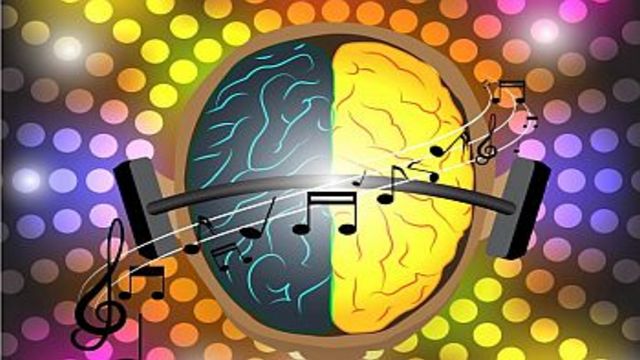
Music has long been recognized as a universal language, capable of transcending boundaries and touching the human soul. In recent decades, music therapy has emerged as a structured discipline within healthcare, harnessing the power of rhythm, melody, and harmony to promote healing. From reducing stress and anxiety to aiding rehabilitation, music therapy is increasingly being integrated into hospitals, schools, and wellness programs across India and the world.
Music therapy is a clinical and evidence-based practice that uses music interventions to achieve therapeutic goals. Conducted by trained professionals, it involves activities such as listening, singing, playing instruments, and composing. Unlike casual music enjoyment, music therapy is tailored to individual needs, addressing physical, emotional, cognitive, and social challenges. Its versatility makes it applicable across diverse age groups and medical conditions.
Historical Roots of Music Therapy
The healing power of music is not a modern discovery. Ancient civilizations, including India, Greece, and Egypt, used music in rituals and healing practices. In Indian tradition, ragas were believed to influence moods and health. Modern music therapy builds on these cultural foundations, combining traditional wisdom with scientific research to create structured therapeutic approaches.
Psychological Benefits
Music therapy has profound psychological effects. Listening to calming music reduces cortisol levels, alleviating stress and anxiety. For patients with depression, engaging in musical activities fosters self-expression and emotional release. Studies show that music therapy improves mood, enhances motivation, and strengthens coping mechanisms. In India, where mental health awareness is growing, music therapy offers a non-invasive and culturally resonant form of support.
Physical Health Applications
Beyond mental health, music therapy contributes to physical healing. Rhythmic music can aid motor coordination, making it valuable in rehabilitation for stroke or Parkinson’s patients. In hospitals, music therapy is used to manage pain, lower blood pressure, and improve sleep quality. For children undergoing medical procedures, music provides distraction and comfort, reducing fear and distress.
Music Therapy in Education
Schools increasingly adopt music therapy to support children with learning disabilities, autism, and behavioral challenges. Structured musical activities enhance communication skills, improve attention span, and foster social interaction. In India, special education programs are integrating music therapy to create inclusive learning environments, highlighting its role in holistic child development.
Music Therapy and Elderly Care
For the elderly, especially those with dementia or Alzheimer’s disease, music therapy offers significant benefits. Familiar songs stimulate memory recall, improve mood, and reduce agitation. Group sessions foster social engagement, combating loneliness and isolation. As India’s aging population grows, music therapy is gaining recognition as a valuable tool in geriatric care.
Practical Execution of Music Therapy
Effective music therapy requires professional guidance. Therapists assess individual needs and design personalized interventions. Techniques may include guided listening, improvisation, songwriting, or movement to music. Practical execution also involves collaboration with doctors, psychologists, and caregivers to ensure holistic treatment. In India, training programs and certification courses are expanding, creating a growing pool of qualified practitioners.
Challenges and Opportunities
Despite its benefits, music therapy faces challenges in India, including limited awareness, lack of standardized training, and insufficient institutional support. However, opportunities abound. With rising interest in alternative therapies and wellness practices, music therapy is poised for growth. Integrating it into mainstream healthcare and education systems could transform patient care and community well-being.
Global Recognition and Indian Context
Globally, music therapy is recognized by organizations such as the American Music Therapy Association. In India, institutions like the Indian Music Therapy Association are working to promote research and practice. The blending of traditional Indian music with modern therapeutic techniques offers unique opportunities, positioning India as a potential leader in this field.
Conclusion
Music therapy exemplifies the profound connection between art and healing. By addressing both psychological and physical needs, it offers a holistic approach to wellness. In India, where music is deeply woven into cultural identity, the expansion of music therapy holds immense promise. As awareness grows, music therapy is set to play a vital role in healthcare, education, and community development, reaffirming the timeless truth that music is not just entertainment—it is medicine for the mind and soul.