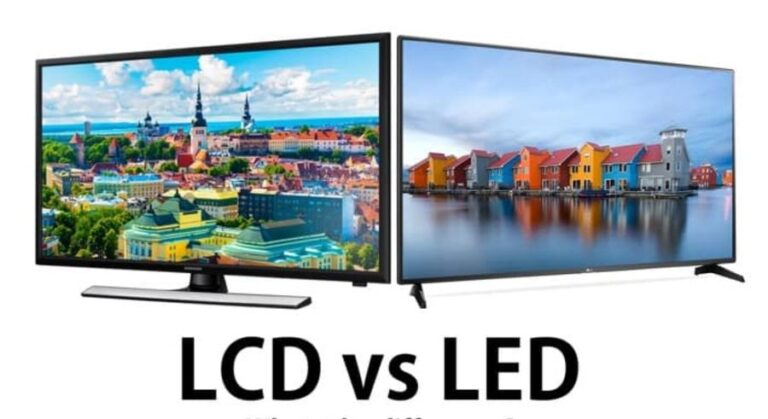
In today’s digital world, screens are an essential part of everyday life. From televisions and computer monitors to smartphones and tablets, display technology influences how we work, learn, communicate, and entertain ourselves. When shopping for a new display, consumers often encounter two common terms: LED and LCD.
At first glance, these technologies may seem completely different, but the relationship between them is often misunderstood. Understanding the differences between LED and LCD screens can help consumers make informed purchasing decisions based on their needs, preferences, and budget.
This article explores how LED and LCD displays work, their advantages and disadvantages, and the factors to consider when choosing the right screen.
Understanding LCD Technology
LCD stands for Liquid Crystal Display. This technology uses liquid crystals positioned between layers of glass or plastic. These crystals do not produce light on their own. Instead, they manipulate light from a backlight source to create images on the screen.
Traditional LCD displays typically use Cold Cathode Fluorescent Lamps (CCFLs) as their backlight source. These fluorescent lights illuminate the display, allowing images and colors to become visible.
LCD technology became popular because it offered thinner designs, lower power consumption, and better image quality compared to older CRT (Cathode Ray Tube) displays.
Understanding LED Technology
LED stands for Light Emitting Diode. Despite the name, LED displays are actually a type of LCD display. The primary difference lies in the backlighting technology.
Instead of using fluorescent lamps, LED screens use light-emitting diodes to illuminate the display. These tiny electronic components produce light more efficiently and offer better control over brightness and contrast.
Because LED technology improves the performance of traditional LCD screens, many manufacturers market their displays simply as “LED TVs” or “LED monitors.”
The Key Difference: Backlighting
The main distinction between LCD and LED screens is the source of backlighting.
LCD Displays
- Use CCFL fluorescent lamps.
- Generally thicker in design.
- Consume more power.
- Provide good image quality.
LED Displays
- Use light-emitting diodes.
- Are thinner and lighter.
- Consume less energy.
- Offer improved brightness and contrast.
Although both technologies rely on liquid crystals to create images, the advanced backlighting system gives LED displays several advantages.
Picture Quality Comparison
Picture quality is one of the most important considerations when choosing a screen.
Brightness
LED screens generally produce higher brightness levels than traditional LCD displays. This makes them easier to view in bright rooms with natural sunlight.
Higher brightness also enhances the visibility of colors and details in images and videos.
Contrast
Contrast refers to the difference between the darkest blacks and brightest whites on a screen.
LED displays often deliver better contrast because certain LED systems can dim specific areas of the screen while keeping others bright. This feature creates deeper blacks and more realistic images.
Traditional LCD displays may struggle to achieve the same level of contrast because fluorescent backlights illuminate the entire screen uniformly.
Color Accuracy
Both LCD and LED displays can produce excellent colors. However, modern LED displays often provide more vibrant and accurate color reproduction due to advances in backlighting technology.
For activities such as photo editing, graphic design, and video production, color accuracy is especially important.
Energy Efficiency
Energy consumption has become an increasingly important factor for consumers.
LED screens are significantly more energy-efficient than traditional LCD displays. Light-emitting diodes require less electricity to produce the same or greater levels of brightness.
This reduced power consumption can lead to lower electricity bills over time, especially for households or businesses that use displays frequently.
In addition, LED technology is generally considered more environmentally friendly because it uses less energy and often contains fewer hazardous materials.
Design and Appearance
Modern consumers often value sleek and stylish designs.
LED displays are typically thinner and lighter because LEDs occupy less space than fluorescent backlighting systems. Manufacturers can create ultra-slim televisions and monitors that complement modern interiors.
Traditional LCD displays tend to be thicker due to the size of CCFL backlights. While still functional, they may not offer the same aesthetic appeal as modern LED models.
Lifespan and Durability
A screen’s lifespan affects its long-term value.
LED backlights generally last longer than fluorescent lamps. Many LED displays can operate for tens of thousands of hours before noticeable brightness reduction occurs.
LED technology is also more resistant to wear and tear, making it a reliable choice for long-term use.
Traditional LCD displays may experience gradual degradation of fluorescent backlights over time, potentially affecting brightness and image quality.
Cost Considerations
Price is often a deciding factor when purchasing a screen.
Traditional LCD displays are usually less expensive because the technology is older and less costly to manufacture.
LED displays may have a higher initial price, but their energy efficiency, longer lifespan, and improved picture quality often provide better long-term value.
Consumers should consider both upfront costs and future operating expenses when comparing options.
Which Screen Is Better for Different Uses?
For Home Entertainment
LED displays are generally preferred for watching movies, sports, and streaming content. Their superior brightness, contrast, and color performance create a more immersive viewing experience.
For Office Work
Both LCD and LED screens can perform well for office tasks such as word processing, spreadsheets, and web browsing. Budget-conscious users may find LCD displays sufficient for everyday productivity.
For Gaming
Gamers often prefer LED displays because of their improved image quality and advanced features. Many gaming monitors use LED backlighting combined with high refresh rates and fast response times.
For Professional Creative Work
Photographers, graphic designers, and video editors benefit from LED displays that offer enhanced color accuracy, brightness, and contrast.
Future Developments in Display Technology
Display technology continues to evolve rapidly.
Beyond LED and LCD, newer technologies such as OLED, Mini-LED, and MicroLED are pushing the boundaries of image quality and efficiency. These innovations offer even deeper blacks, higher brightness, and improved color performance.
However, LED displays remain one of the most popular and practical choices for consumers due to their balance of performance, affordability, and reliability.
Making the Right Choice
Choosing between LED and LCD depends on individual needs and priorities.
If affordability is the primary concern and the display will be used for basic tasks, a traditional LCD screen may still be a reasonable option.
However, for users seeking better image quality, energy efficiency, modern design, and long-term value, LED displays are generally the superior choice.
Understanding the strengths and limitations of each technology helps consumers make informed decisions that suit their specific requirements.
Conclusion
When choosing the right screen, understanding the differences between LED and LCD technology is essential. Although both rely on liquid crystal displays, LED screens use advanced backlighting systems that provide better brightness, contrast, energy efficiency, and design flexibility.
While traditional LCD displays remain functional and affordable, LED technology has become the preferred choice for most modern consumers. Whether for entertainment, gaming, work, or creative projects, LED displays offer a combination of performance and value that meets the demands of today’s digital world.
Ultimately, the best screen is the one that matches your needs, budget, and intended use. By carefully evaluating the features of both technologies, consumers can confidently select a display that delivers an enjoyable and reliable viewing experience.